
Assessment and improvement of industrial wastewater treatment equipment
If your company's industry is not included in the Eight Major Industries listed by Da Ben Ying Co. Ltd., or if the wastewater characteristics are particularly special, this page provides an overview of the evaluation logic for general industrial wastewater treatment equipment: from data analysis and process diagnosis to equipment improvement recommendations, helping you identify the appropriate treatment solution.
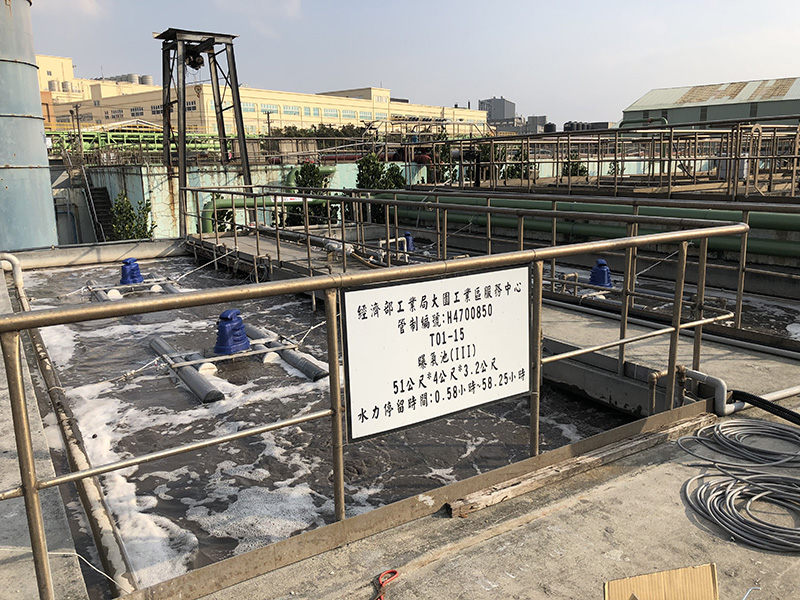
The illustration shows a schematic plan for evaluating and improving industrial wastewater treatment facilities.
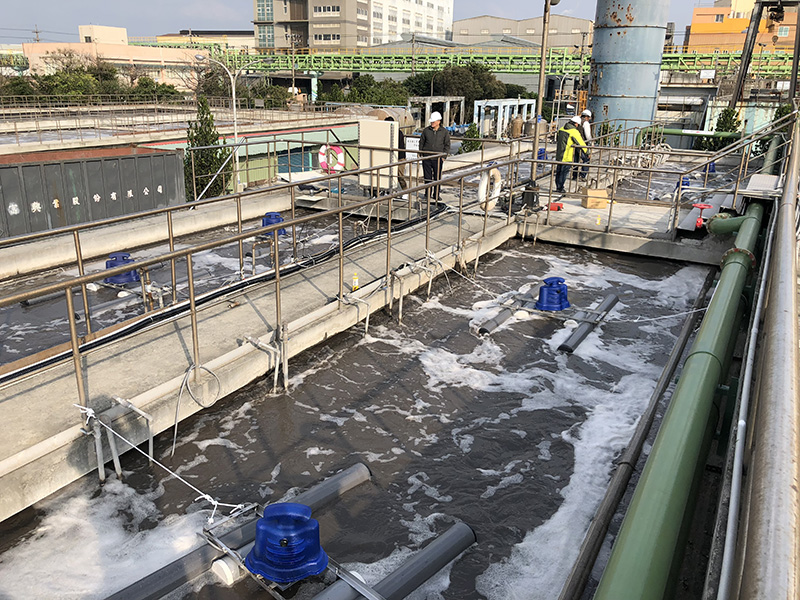
There is no universal standard answer for industrial wastewater.
There is no “one-size-fits-all” standard answer for industrial wastewater treatment. The raw materials, chemicals, and operating methods used in different processes directly reflect on the water quality characteristics of the wastewater; even within the same industry, different factories may have different water quality due to different process details. Therefore, before planning industrial wastewater treatment equipment, it is recommended to conduct a detailed data review rather than simply copying the equipment configuration from other cases.
Data collection: water quantity and quality, process, permits, and discharge routes
It is recommended that you prioritize mastering the following basic information:
- Daily or hourly wastewater generation
- Main pollutant characteristics (suspended solids, organic load,pH Valence, special chemical elements)
- Relevant processes and usage of chemicals
- Contents of existing water pollution control permits or water pollution control measures plans
- The final discharge direction of wastewater (discharged into a receiving water body, or included in the sewage sewer system)
This information will directly influence the design of the processing process and the selection of equipment. Please feel free to contact us for more information. LINE Please inquire or contact the business window directly for a discussion.
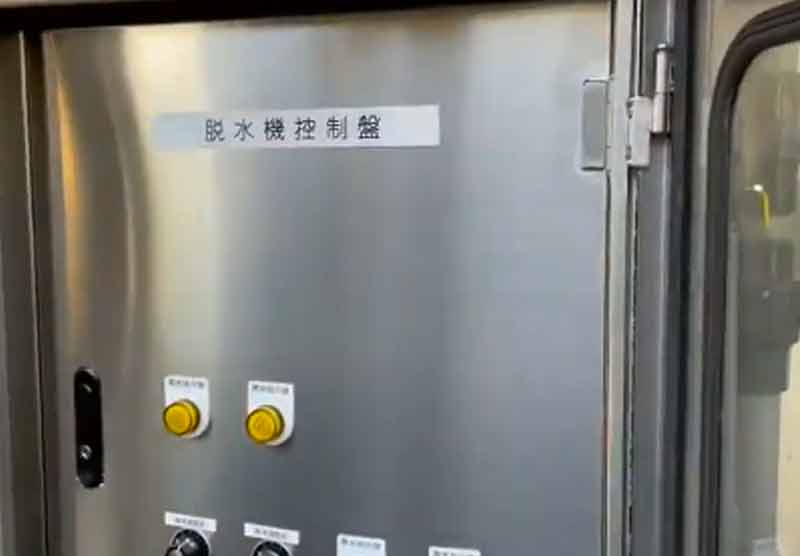
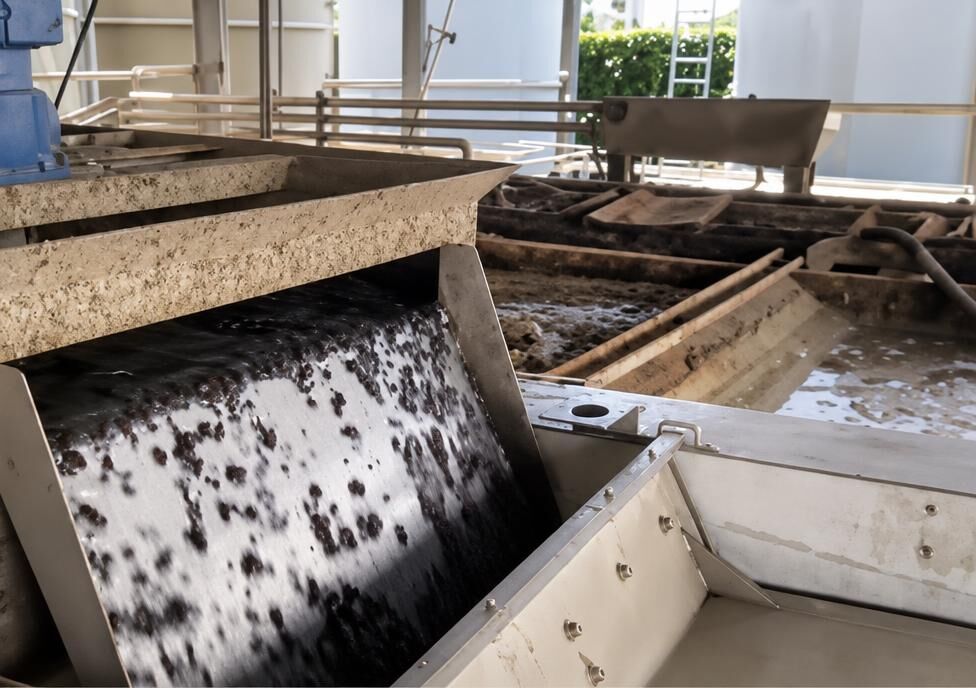
Current processing flow and bottleneck diagnosis
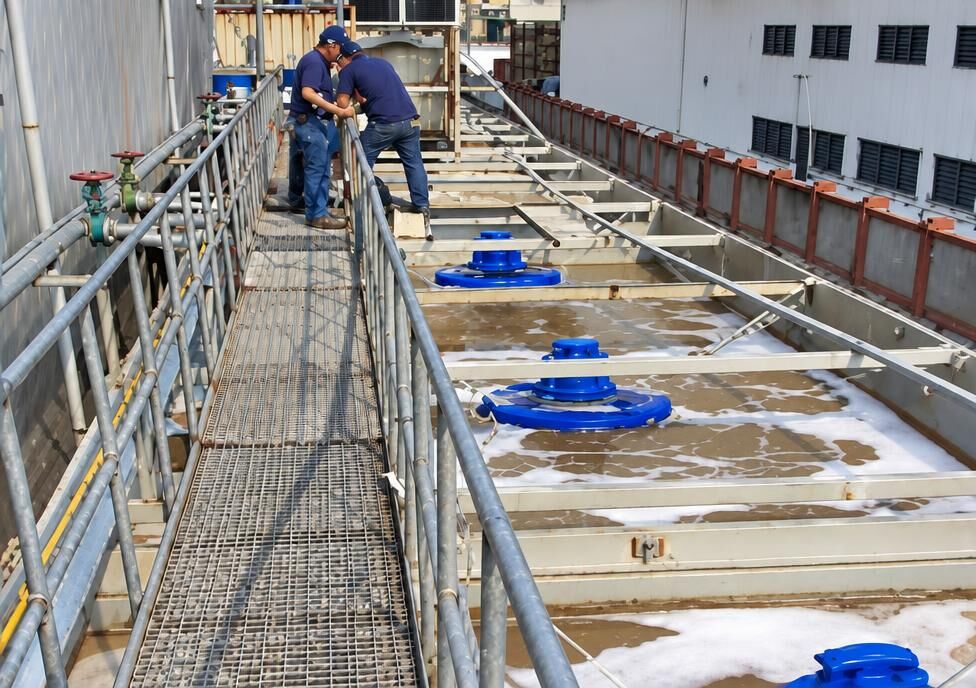
If the company already has an existing wastewater treatment system, but faces poor treatment performance, outdated equipment, or is currently evaluating improvement plans, Da Ben Ying Co. Ltd. will recommend arranging a site inspection first to actually examine the operation of the individual components of the existing process, identify the real bottlenecks (such as insufficient aeration or insufficient sludge treatment capacity), and then make targeted improvement recommendations, rather than immediately proposing a complete replacement of the entire system.
Roles of aeration, sludge dewatering, and multi-tank sludge extraction
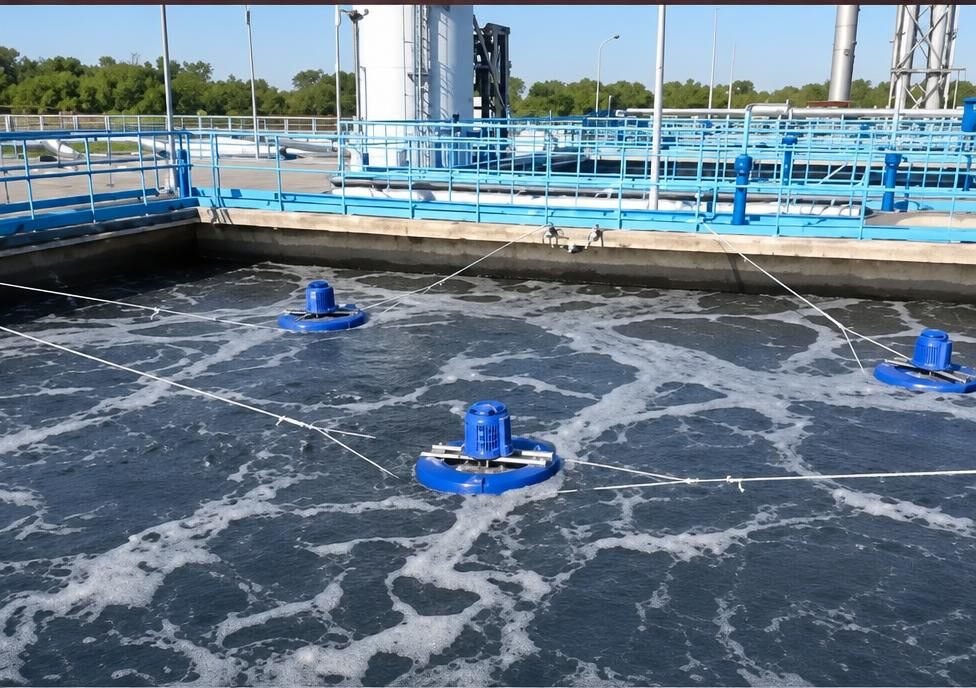
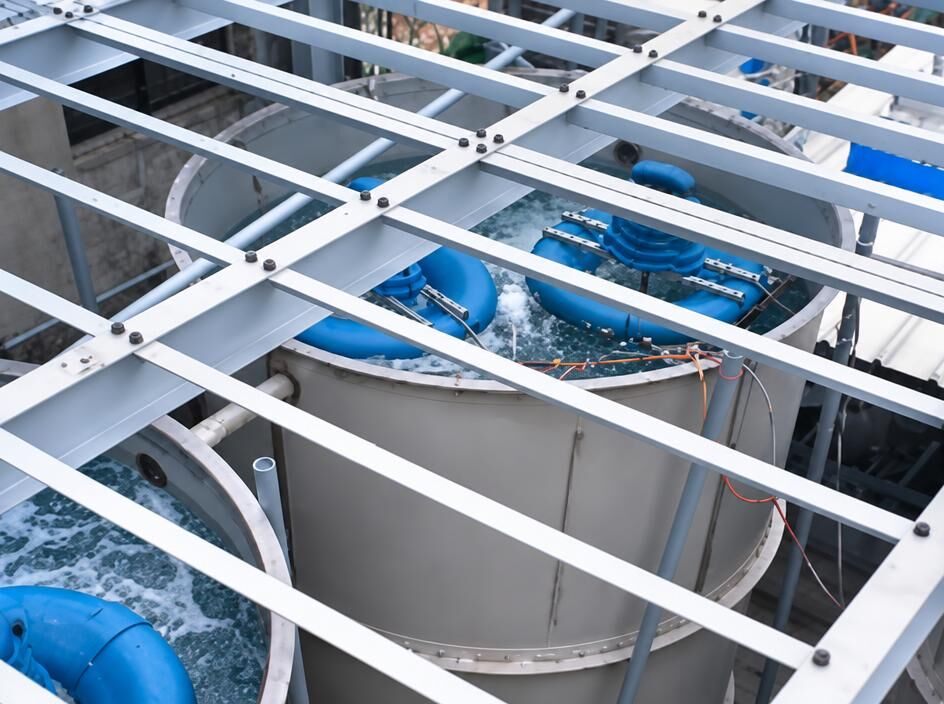
Based on the diagnostic results, possible improvement directions include upgrading or strengthening aeration equipment to improve dissolved oxygen efficiency (see details).Sewage aeration equipment)、the introduction or upgrading of sludge dewatering equipment to enhance sludge reduction (see details).Sludge dehydration equipmentor for the introduction of multi-pool spatial domainsOne machine for multiple sludge dehydration systemsThis reduces the burden of manual handling.
Maintaining dissolved oxygen levels within appropriate ranges and 'helping microorganisms decompose organic pollutants'
Material, energy, maintenance, and life-cycle costs
When selecting equipment, in addition to initial purchase costs, it is recommended to take into account the full life cycle costs, including material durability (whether it can withstand the corrosive conditions of wastewater), long-term energy consumption, ease of maintenance, and the speed with which spare parts are available. Equipment manufactured in Taiwan generally has a significant advantage in terms of preparation speed and response time for repairs compared to imported equipment; see details here.R&D and ManufacturingPage.
Original water testing and phased improvement
Since the water quality characteristics are not yet clear, or for sites that wish to first test the improvement effect on a small scale, it is recommended that they first confirm the treatment effect through testing on raw water. It is also possible to consider introducing the equipment improvement plan in stages to reduce the risk of one-time investment, and then adjust the subsequent planning based on actual operational data.
Common problems and on-site consultations
Provide objective engineering explanations to address the most common concerns regarding industrial wastewater treatment.
My industry is not listed in the eight categories. Can I apply for evaluation?
Yes. You can contact us via LINE to request industry-specific information, process descriptions, and water quality information. Da Ben Ying Co. Ltd. will arrange for a technician to evaluate the situation individually.
If the handling system isn't working well, do you need to replace the entire system?
Not necessarily. It is recommended to first arrange a site inspection to diagnose the bottleneck areas. In many cases, only specific upgrades to specific units (such as aeration or dehydration equipment) are required, rather than a complete replacement of the entire system.
Is the cost of purchasing industrial wastewater treatment equipment worth investing in?
It is recommended to evaluate from the perspective of the entire lifecycle cost, taking into account energy consumption, repair frequency, and the speed of acquiring spare parts, rather than just comparing the initial purchase price.
Without any professional construction background, how should I start evaluating?
It is recommended to first try using LINE Upon inquiry for basic information, Da Ben Ying Co. Ltd. will arrange for a technician to conduct an on-site inspection to help with the inventory; if necessary, we will provide additional advice to professional environmental engineering technicians to plan the overall compliance matters.