
Plastic recycling, wastewater cleaning, and sludge dehydration
The wastewater from the plastic recycling, cleaning, and granulation processes often contains sand, label scraps, fine plastic particles, and detergent residues. The suspended solids and chemical oxygen demand load are both high. Da Ben Ying Co. Ltd. provides configuration recommendations for aeration and sludge dewatering equipment to help operators manage the circulation water and sludge removal processes.
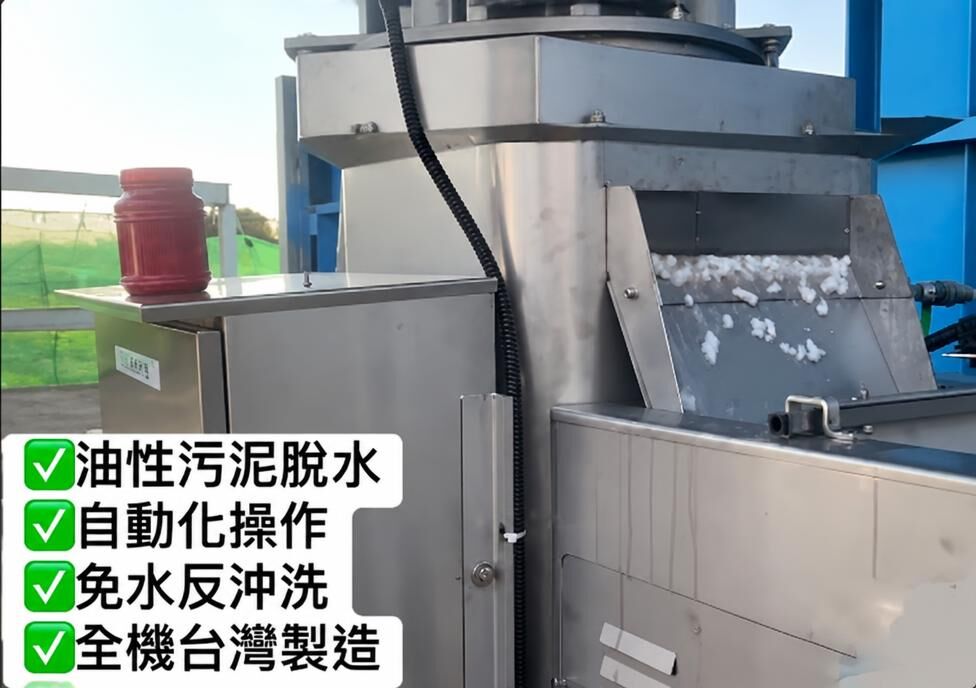
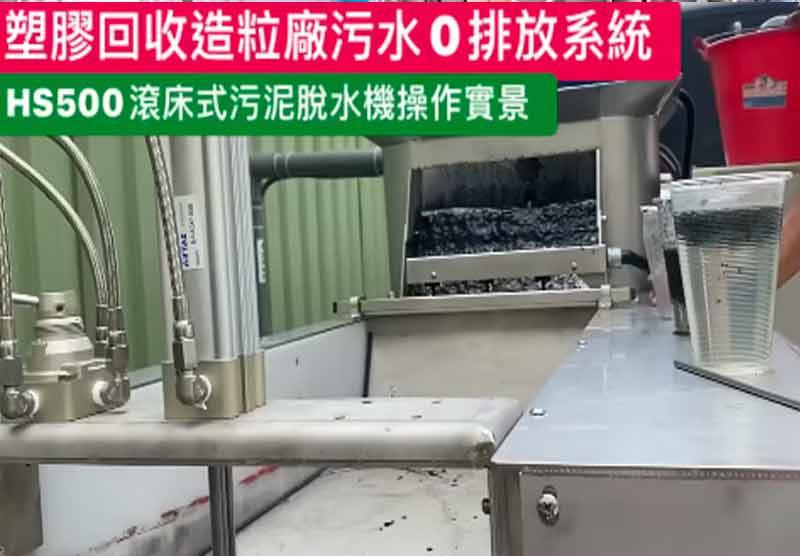
An illustration of a customer case for plastic recycling, wastewater treatment, and sludge dewatering
Differences in water quality between the plastic sorting and cleaning processes
The process of plastic recycling involves steps such as sorting, crushing, cleaning, and pelletizing; different plastic materials (such as PET、PE、PPDepending on the level of contamination of the raw material, the water quality characteristics of the cleaning wastewater are also different. Generally speaking, the wastewater generated during the cleaning process contains sand, fine plastic particles, label scraps, oil stains, and detergent residues, as well as suspended solids (SSThe concentration is usually high.
"Practical Analysis of Plastic Recycling, Wastewater Cleaning, Sludge Dewatering and Sludge Reduction"
Pre-treatment of fine particles, sand, oil and detergent
Plastic cleaning wastewater contains many granular impurities; it is recommended to first use pre-treatment equipment such as sieves and sedimentation facilities to remove larger particles of plastic and sand from the wastewater before entering the main treatment system, thereby reducing the burden on the downstream treatment units and extending the lifespan of the aeration and dehydration equipment.
Circulating water and sludge management
Many plastic recycling plants recirculate the cleaning water to reduce overall water consumption. However, a recirculating water system must be paired with appropriate sludge management; regularly remove the sedimented sludge and impurities from the system to prevent the concentration of solid matter in the recirculated water from increasing and, in turn, affecting the cleaning efficiency.
Location of aeration and sludge dewatering equipment
If the treatment process includes a biological treatment stage, the aeration equipment can supply dissolved oxygen during this stage, see details.Sewage aeration equipmentThe sludge produced during the cleaning and sedimentation process can be disposed of through HS500 或 HS800 Dehydration and weight loss.
Low-concentration or oily sludge must be tested first.
The sludge from plastic recycling wastewater may have properties with low concentration or oily components. The dehydration effect of this type of sludge varies greatly. It is recommended to first conduct a test on the raw water to confirm the appropriate dosage formulation and the dehydration effect. Do not simply apply the expected performance of general activated sludge.
The evidence threshold for the term "zero emissions"
"Zero emission" is a claim often mentioned and also most easily misunderstood in the wastewater treatment field. In reality, only specific recirculation water systems that have complete case evidence (long-term monitoring data and actual emission records) to support it are suitable for using the term "zero emission" or near zero emission cautiously; it is generally not advisable to directly use this type of statement as a marketing term in court cases. If your company's recirculation water system indeed meets the relevant standards, it is recommended to provide complete monitoring data as evidence.
Case studies and field sampling
The characteristics of wastewater from different types of plastic recycling and cleaning processes vary greatly, and the actual treatment effect will need to be evaluated on a case-by-case basis; relevant cases (after obtaining customer authorization) will be announced successively on the website.Case of sludge dehydrationPage.
Common problems and on-site consultations
Provide objective engineering explanations for the most frequently raised concerns regarding plastic recycling, wastewater cleaning, and sludge dewatering treatment.
Can the recycling water system in a plastic recycling plant achieve zero emissions?
Whether it can achieve zero emissions depends on the actual system design, monitoring data, and long-term operation conditions. It is not advisable to make direct claims using marketing terms; instead, it is recommended to evaluate the situation using actual monitoring data.
Will cleaning the sand in wastewater affect the aeration equipment?
It may be possible. It is recommended to first filter out larger-sized sand and impurities through pre-processing facilities to reduce the impact on the aeration and dehydration equipment.
Can the plastic recycling sludge be directly sent to landfill?
The method of transporting and disposing of sludge must be carried out according to its nature and relevant regulations. It is recommended to consult a professional environmental engineer or a legal disposal agency; it is not advisable to make a judgment on your own.
Which type of sludge dewatering machine is suitable for this type of wastewater?
It depends on the daily processing volume and sludge characteristics. Please feel free to contact us. LINE By asking for onsite data, technicians will evaluate the appropriate model.