
Overview of Industrial Applications
Application of industrial wastewater treatment equipment in Taiwan
The water quality characteristics of wastewater from different industries vary greatly. Based on the water quality and treatment tasks, Da Ben Ying Co. Ltd. divides common industries into eight categories, explaining the key equipment configuration and application methods to assist you in finding reference information that is similar to your own project site.
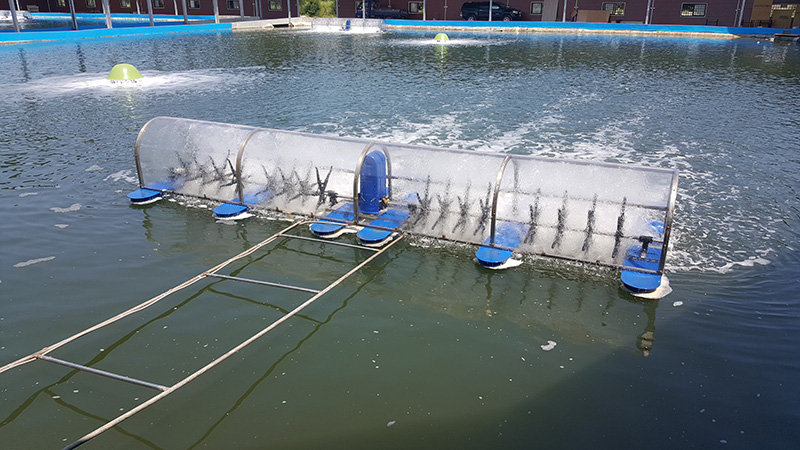
Different industries cannot use the same fixed parameters.
The suspended solids content, acidity/alkalinity, organic load, and chemical composition of livestock waste, food processing plant waste, and electroplating plant heavy metal waste are all radically different from each other; there is no one “universal setting” that can suit all industries. This is also the reason why Da Ben Ying Co. Ltd. insists on arranging on-site inspections and sampling before providing a quote—only by having a grasp of the actual water quality data can we make recommendations for equipment that truly suits the specific needs of the case.
Common water quality characteristics of the eight major industries
Based on the water quality characteristics and site conditions, we will examine each component of common pollutants and the load for their treatment in various industries in detail.
• Livestock wastewater treatment
• Food factory wastewater treatment
• Industrial wastewater treatment
• Slaughter and electric slaughter wastewater treatment
• Waste water treatment for paper making
• Treatment of dyeing wastewater
• Electrolytic wastewater treatment
• Plastic recycling wastewater treatment
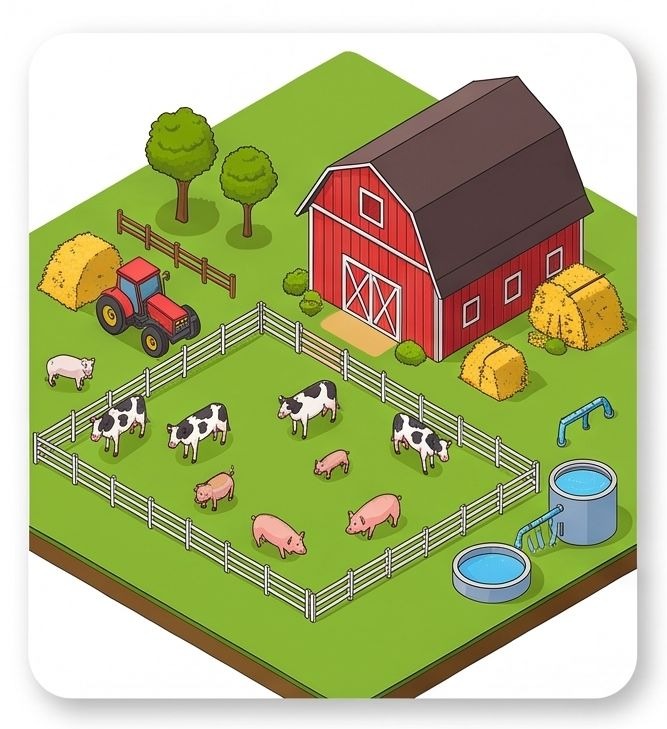
- Characteristics of waste water and sludgeHigh organic load, high suspended solids, high ammonia nitrogen content
- Recommended equipment configuration:HS500 / HS800 Roller-type Sludge Dewatering Machine + A single machine with multiple sludge pumping systems。
- Brief descriptionThrough continuous efficient solid-liquid separation, sludge is significantly reduced, preventing the sludge pond from being overloaded and disrupting production schedules, thereby reducing hauling costs and pollution risks.
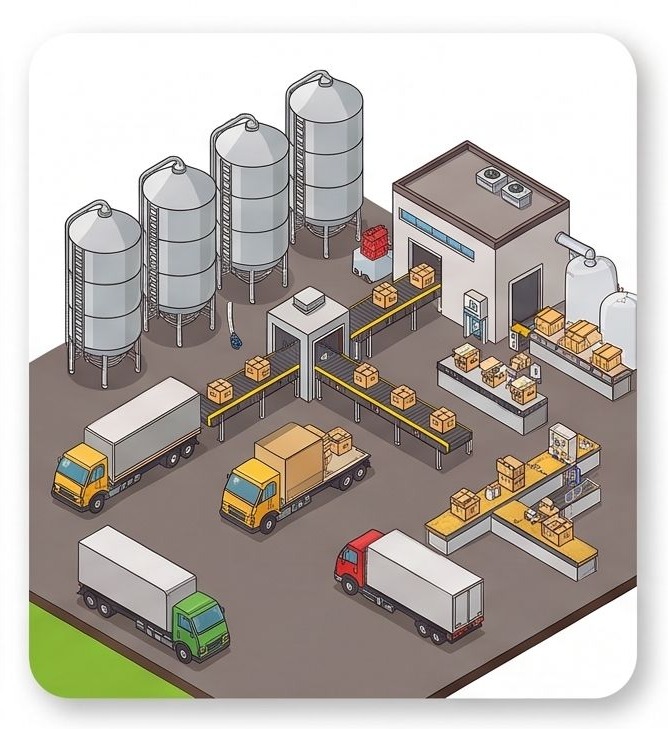
- Characteristics of waste water and sludgeHigh fat content, high suspended solidsSS)、High load fluctuation
- Recommended equipment configuration:Roller-type Sludge Dewatering Machine + KTY888ST negative pressure sewage aeration machine。
- Brief descriptionThe pre-treatment is carried out through the "original water test" to customize the proprietary formulation, precisely overcoming the problem of high oil-containing sludge adhesion while maintaining the high efficiency of oxygenation in the aeration tank.
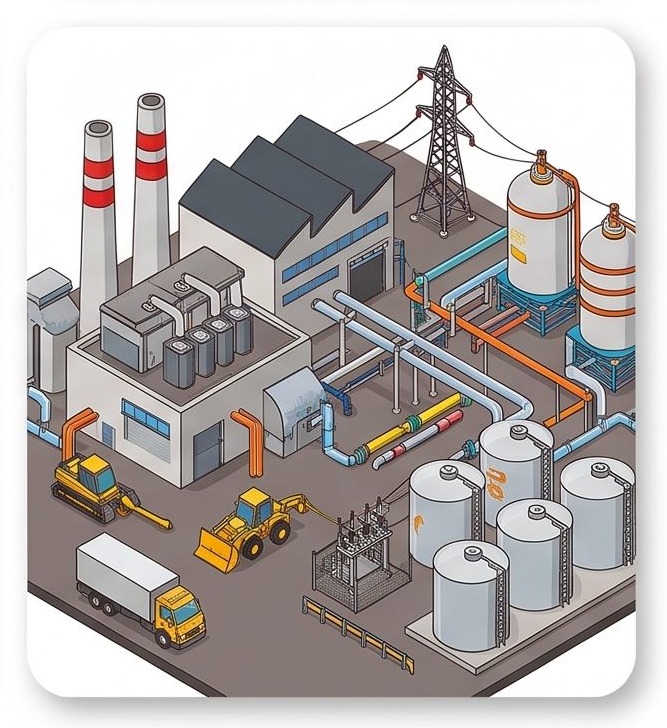
- Characteristics of waste water and sludgeDepending on the process, it needs to be evaluated individually.
- Recommended equipment configuration:HS500 / HS800 Roller-type Sludge Dewatering Machine + KTY888ST negative pressure sewage aeration machine + Nylon acid-alkali resistant/stainless steel exhaust system。
- Brief descriptionThrough the preliminary "original water test" to customize dedicated formulations, it precisely addresses the solid-liquid separation and dissolved oxygen requirements of complex industrial wastewater, ensuring the equipment continues to operate without downtime and maintaining compliance with emission water quality standards.
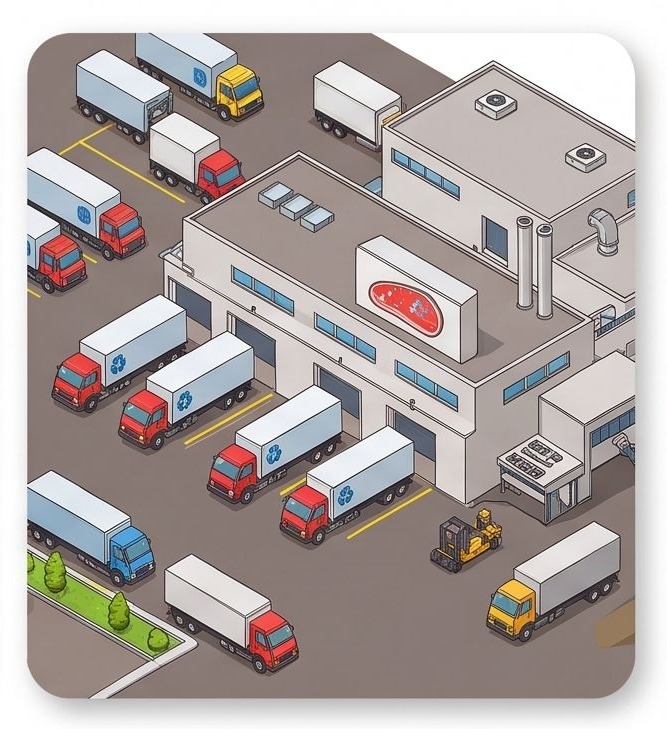
- Characteristics of waste water and sludgeHigh blood lipid levels, high organic load, ammonia nitrogen
- Recommended equipment configuration:Roller-type Sludge Dewatering Machine + KTY888ST negative pressure aeration machine。
- Brief descriptionQuickly remove and separate high-concentration residual sludge, preventing the rapid decline in dissolved oxygen in the pond from causing water quality to become smelly and the compliance pressure to rise.
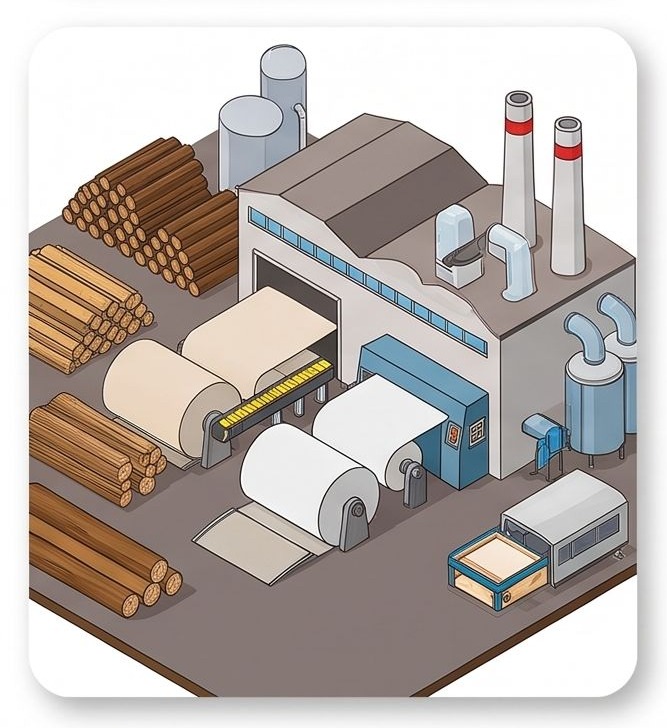
- Characteristics of waste water and sludgeHigh fiber content and filler content,SS 與 COD Load
- Recommended equipment configuration:High processing capacity HS800 roller-type sludge dewatering machine。
- Brief descriptionLarge-capacity continuous squeezing and dehydration of high-fiber sludge is applied to significantly reduce the volume of sludge cake and the burden of external disposal.
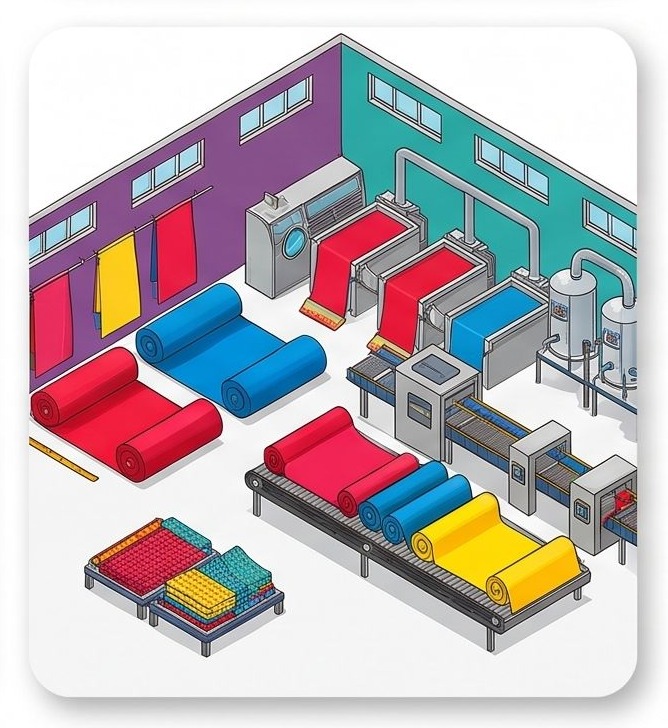
- Characteristics of waste water and sludgeHigh color rendering,CODBatch water quality fluctuations are significant
- Recommended equipment configuration:High-efficiency sewage aeration system + Roller-type sludge dewatering system。
- Brief descriptionThrough pre-treatment water experiments for precise drug dosing tests, ensuring the benefits of dehydration solid-liquid separation and improving the aerobic decomposition efficiency in the pond.
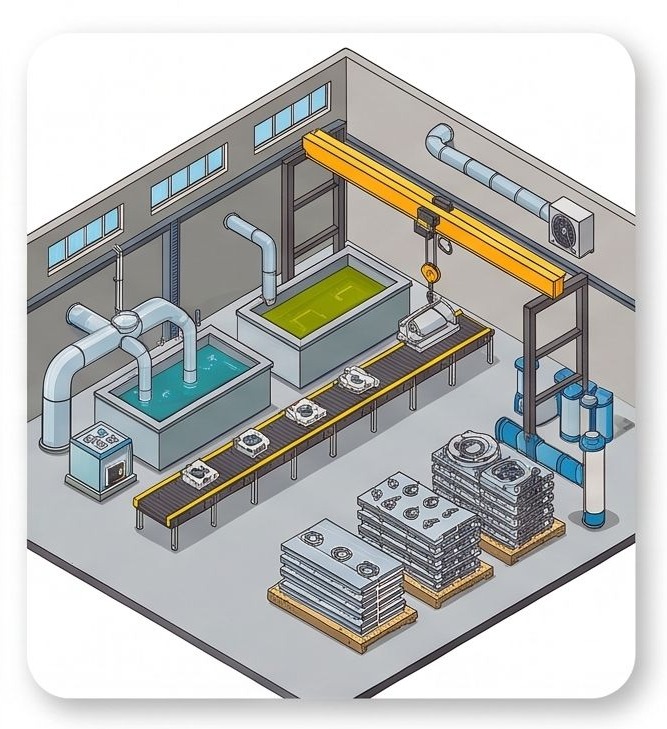
- Characteristics of waste water and sludgeContains heavy metals, strong acids and alkalis; requires separate handling
- Recommended equipment configuration:Nylon acid and alkali resistant / Stainless steel vent plate and aeration ball + Special anti-corrosion dehydration machine。
- Brief descriptionAdopting high-durability materials for chemical corrosive environments, ensuring that the aeration and solid-liquid separation system operates stably under high-strength acids and alkalis.
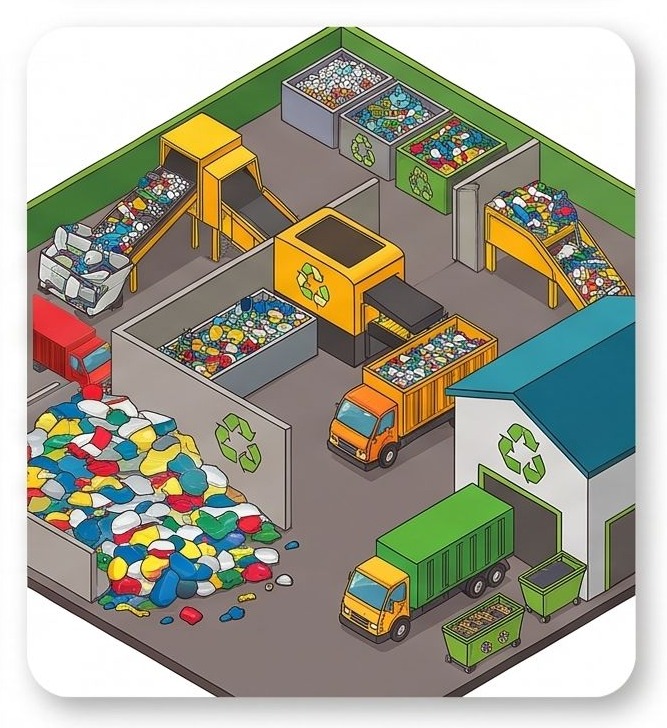
- Characteristics of waste water and sludgeIncludes sand, fine plastic, oil and detergent
- Recommended equipment configuration:HS500 Roll-type Sludge Dewatering Machine + Patent Sludge Transfer System。
- Brief descriptionEffectively intercepting and dehydrating plastic waste sludge, achieving the goal of water resource recycling and waste reduction.
The roles of dehydration, aeration, and a single machine in multiple pools
In the wastewater treatment process of most industries, aeration equipment is responsible for supplying the dissolved oxygen needed for biological treatment, while sludge dewatering equipment is responsible for reducing the amount of sludge generated after treatment. A multi-tank system assists sites with multiple sludge tanks by reducing the workload of manually moving heavy-duty pumps. When combined, these three components can form a complete treatment chain from biological treatment to sludge reduction. The actual configuration still needs to be individually planned based on industry characteristics and site conditions.
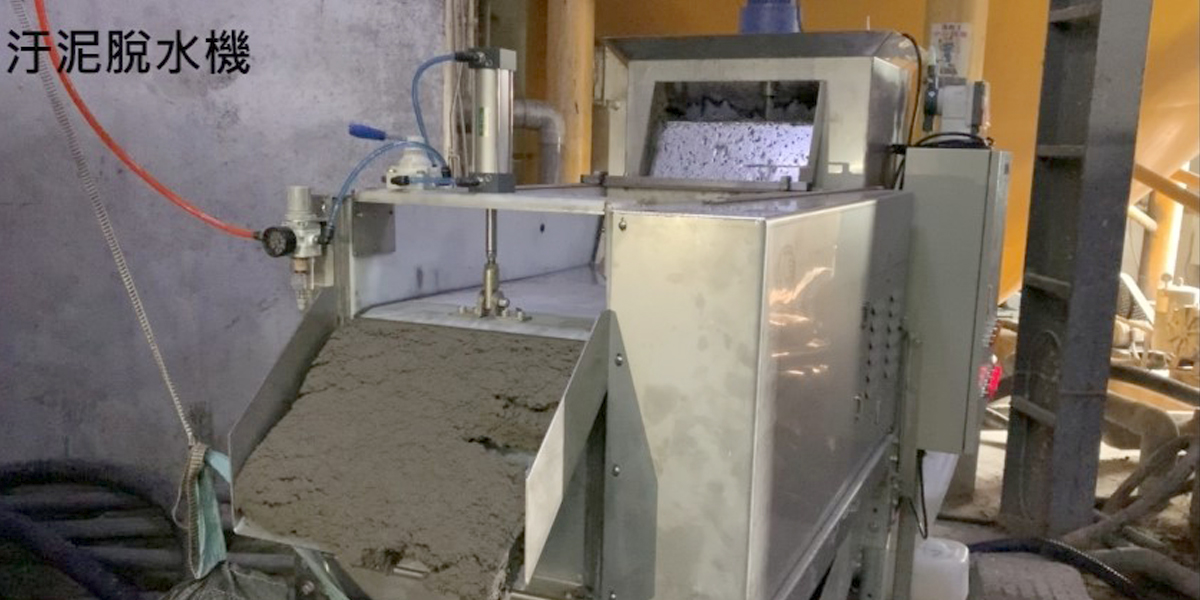
Sludge dehydration equipment
Responsible for reducing the sludge generated after processing.
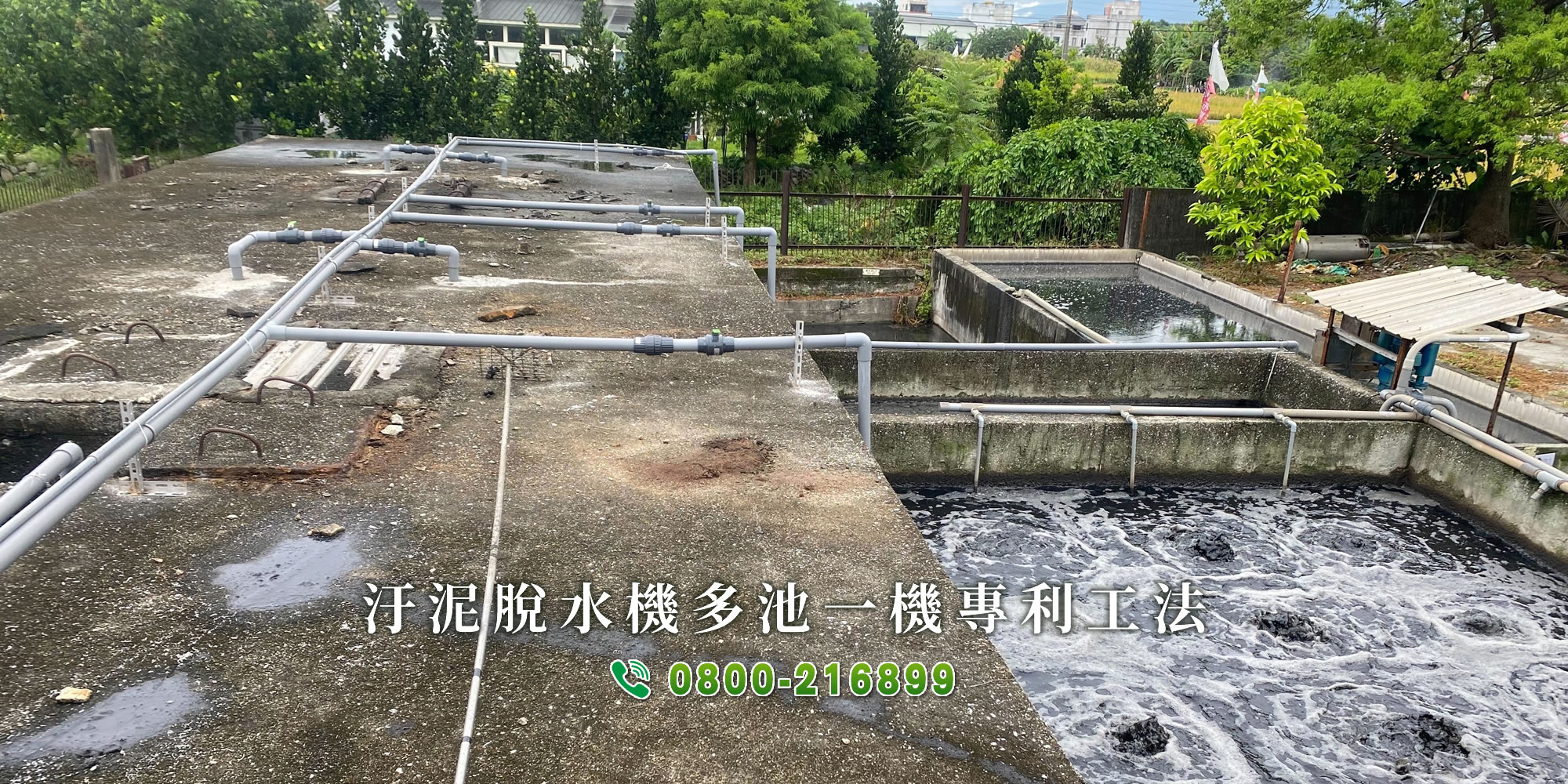
Multi-pool system for one machine
Helps areas with a large number of sludge ponds, alleviating the burden of manually moving the submersible pumps.
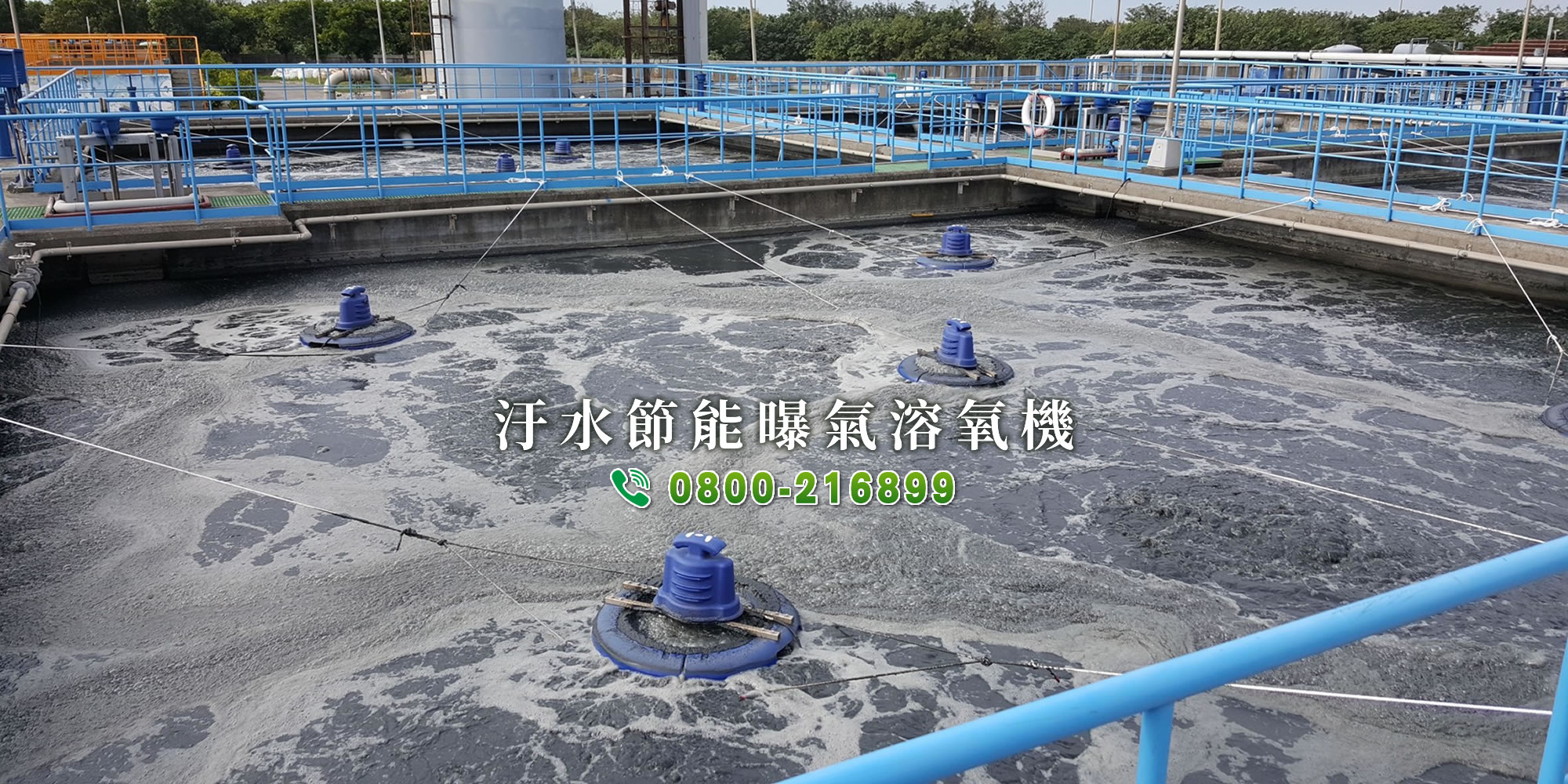
Sewage aeration equipment
Responsible for supplying the dissolved oxygen required for biological treatment.
Original water testing and field survey processes
The water quality in each industry and each case is different. Before quoting, Da Ben Ying Co. Ltd. will arrange for technicians to conduct on-site inspections and, if necessary, collect the original water or original sludge from the site for laboratory testing to confirm the actual treatment effect. After confirming the results, we will then provide equipment recommendations. For details, please contact us via LINE.
STEP 01
On-site inspection
Arrange for technicians to conduct on-site inspections to understand the conditions of the case site.
STEP 02
Original water testing
If necessary, the original water or original sludge from the site can be retrieved for laboratory testing.
STEP 03
Standard recommendations
After obtaining actual water quality data, we provide equipment recommendations tailored to the needs of the case.
STEP 04
Configuration and adjustment
The actual configuration still needs to be individually planned based on the industry characteristics and on-site conditions.
About regulations and standards for discharged water
The aeration, dehydration, or piping equipment provided by Da Ben Ying Co. Ltd. is a unit device in the overall wastewater treatment process. Whether the actual wastewater meets the standards for discharge water will depend on multiple factors such as the original water concentration, the treatment equipment in the upstream and downstream stages, the dosage conditions, the operating method, and regular testing. The equipment itself cannot guarantee compliance alone. It is recommended to coordinate with professional environmental engineers to plan the overall treatment process and pay attention to the latest discharge water standards announced by the Ministry of Environmental Protection and the local competent authorities.
Cross-referencing cases and equipment
For actual application cases in various industries, please refer to the "Engineering Results" page. You can search for similar cases based on industry or equipment type.
Common problems
My industry is not listed in the eight categories. What should I do?
You can refer to the "Industrial Wastewater Treatment Solution" page, or directly ask LINE for industry-specific information and water quality, which will be evaluated by a technician individually.
After the equipment is installed, can it be guaranteed to pass the environmental inspection?
No. The equipment is just one component of the wastewater treatment process; compliance depends on the overall process design, operation methods, and regular inspections. It is recommended to be planned by professional environmental engineering technicians and implemented through daily operational management.
Can equipment from different industries be shared?
Some equipment types (such as aerators and dehydrators) can be applied across industries, but the actual specifications and material selection still need to be evaluated individually based on the water quality characteristics of each case. It is not advisable to directly apply settings from other industries.
What do I need to prepare for the original water testing application?
Da Ben Ying Co. Ltd. is recommended that you prepare basic information about the water quality onsite (if available), the treatment volume requirements, and a description of the existing treatment process. You can ask us via LINE to arrange a follow-up on-site inspection and sampling.
Arranging on-site inspection, original water testing, or special consulting
Prepare the basic water quality data (if available), the treatment volume requirements, and a description of the existing treatment process; ask via LINE.