
Knowledge articles
Knowledge articles on sewage treatment and ventilation equipment
The topics in the knowledge articles are all based on real-world common questions. The content covers sludge dewatering, sewage aeration and ventilation equipment selection guidelines, troubleshooting, and updates to regulations related to wastewater treatment.

Search for published content
The articles are divided into four categories based on subject matter: selection guidelines, malfunctions and maintenance, industrial wastewater applications, and regulatory updates, making it easy for readers to quickly find the relevant content based on their needs.
After submitting the search, the system will list the website content that meets the criteria.
Selection guide
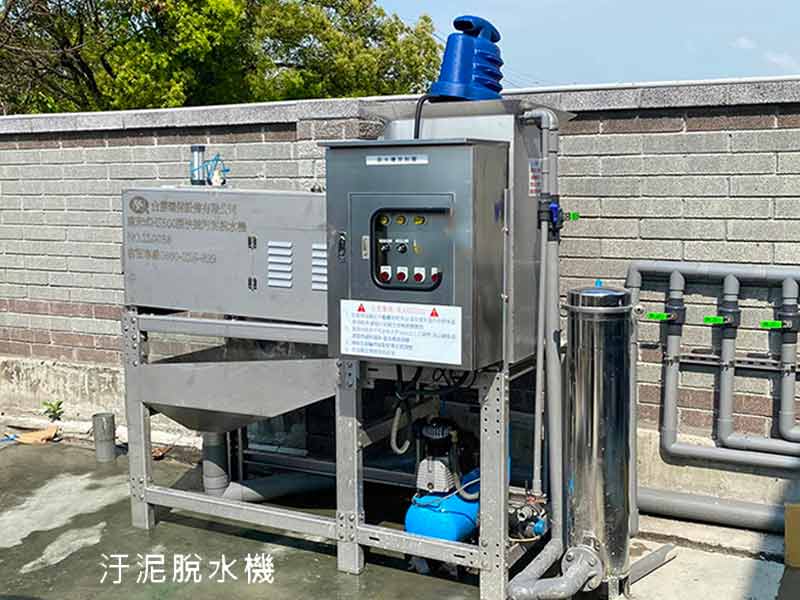
How to choose a sludge dewatering machine?
First, look at the original mud concentration, the amount of dry sludge, and the daily operating hours; do not just compare the tonnage specifications in the manual.
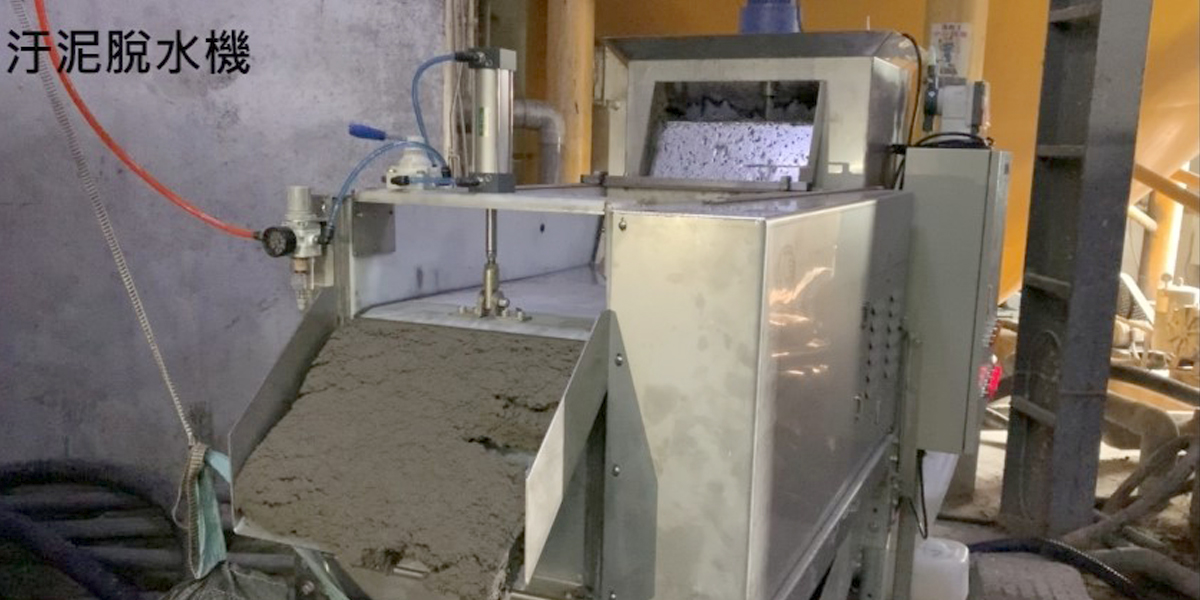
What is the difference between HS500 and HS800?
It is not possible to judge by hourly tonnage; the processing volume will vary depending on the original sludge conditions; see HS500 and HS800 product pages for details.
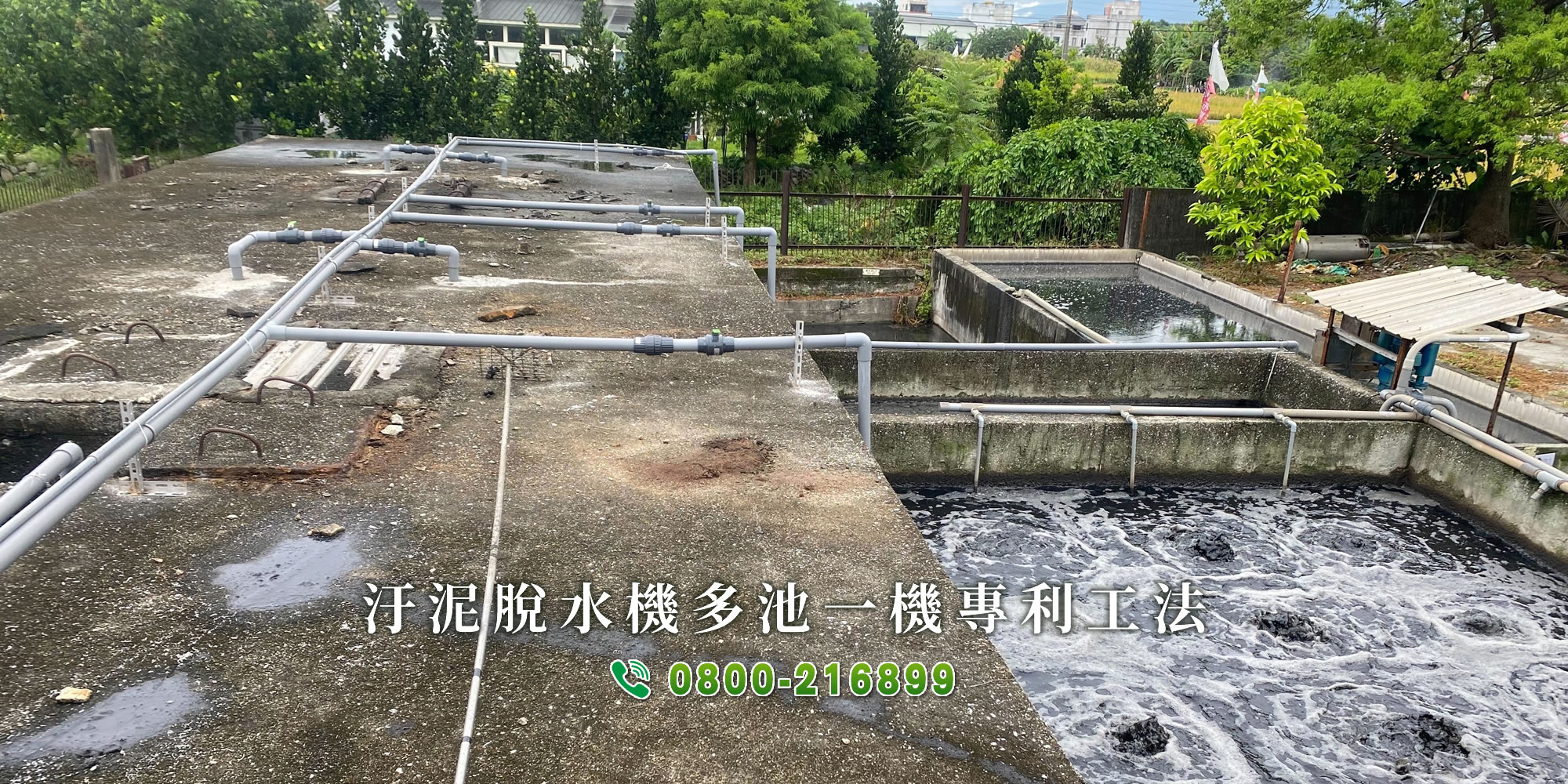
How can multiple pools reduce the risk of manual relocation of submersible pumps?
How does a single system for multiple ponds reduce the need for manual lifting and relocation of submersible pumps, and should it be evaluated based on the pond configuration, pumping route, and operational conditions on-site?
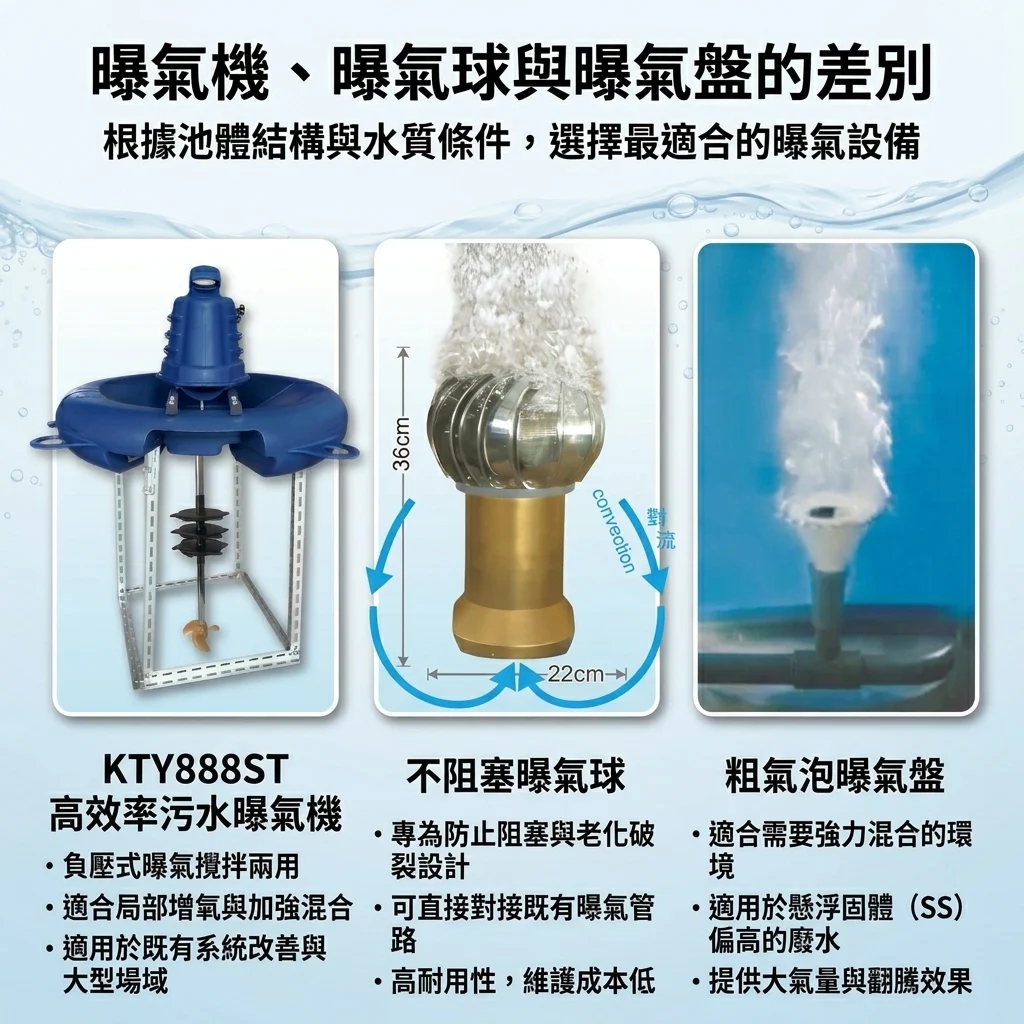
How to choose between coarse bubbles and fine bubbles for aeration?
It explains the trade-off between mixed demand and oxygen transfer efficiency, and assesses it based on pond depth, wastewater characteristics, and supply, aeration, and maintenance conditions; it does not use a single indicator to determine it.
Troubleshooting and maintenance articles
Why does the degassing plate get blocked or cracked?
For an overview of damage, materials, and maintenance considerations, see the product page for non-blocking aeration equipment.
How to verify the energy efficiency of factory ventilation systems?
DO, power consumption, airflow, and the correct measurement method for the observation period.
Industrial wastewater article
Why is the grease and SS levels in food processing plants high, and why is a raw water test required before sludge dehydration?
Grease and SS in raw water and changes in water quality can all affect sludge conditioning and dehydration performance; before dehydration, a raw water test should be conducted to evaluate the results, and the results should not be directly applied to other case configurations.
Odour from the building's toilets is seeping out; it's not necessarily just due to the ventilation system.
The airflow, exhaust path, ventilation conditions, and installation configuration of the common duct may all affect the backflow of odours; it is recommended to first conduct an on-site inspection of the common duct, as it is not possible to solve the problem simply by installing ventilation fans.
Regulatory update article
The trend towards stricter water quality standards: What should the electroplating, slaughtering, and meat processing industries first consider?
For a preliminary list of what is required for the electroplating, slaughtering, and meat processing industries, see the industry pages on electroplating wastewater treatment and slaughter/slaughterhouse wastewater treatment; the official regulations are based on the Ministry of Environmental Protection’s circulars.
What does the SGS report for the water tower water machine say?
Verify the sample submitted for testing, the test items, and the testing conditions; the results of the SGS test do not equate to a certificate of safe drinking water, nor can it be inferred that the water from the water tower can be directly consumed.
Official regulatory provisions are based on the Environmental Protection Agency’s (EPA) regulations. The results of SGS testing only reflect the test items and results of samples submitted under the conditions specified in the report; they are not a drinking water safety certification and cannot be used to determine that the water from the water tower can be directly consumed.
Significance of the article
Each article is labeled with the author, technical reviewer, publication date, and the latest update date; when citing regulations or testing data, an official source link is attached for readers to verify for themselves.
Want to learn more about the equipment?
After reading the article, if you have further needs for a specific device, please click on the corresponding product page link to learn more details, or directly ask us via LINE for a detailed explanation of your needs.