
Sludge dehydration equipment and a single-unit multi-pool system
The function of sludge dewatering equipment is to separate solid and liquid phases from sewage during wastewater treatment. By using HS500 and HS800 roller-type sludge dewatering machines, combined with a multi-tank sludge pumping system, Baiming assists the project site in selecting the appropriate equipment based on the original sludge concentration, daily production, and available space.
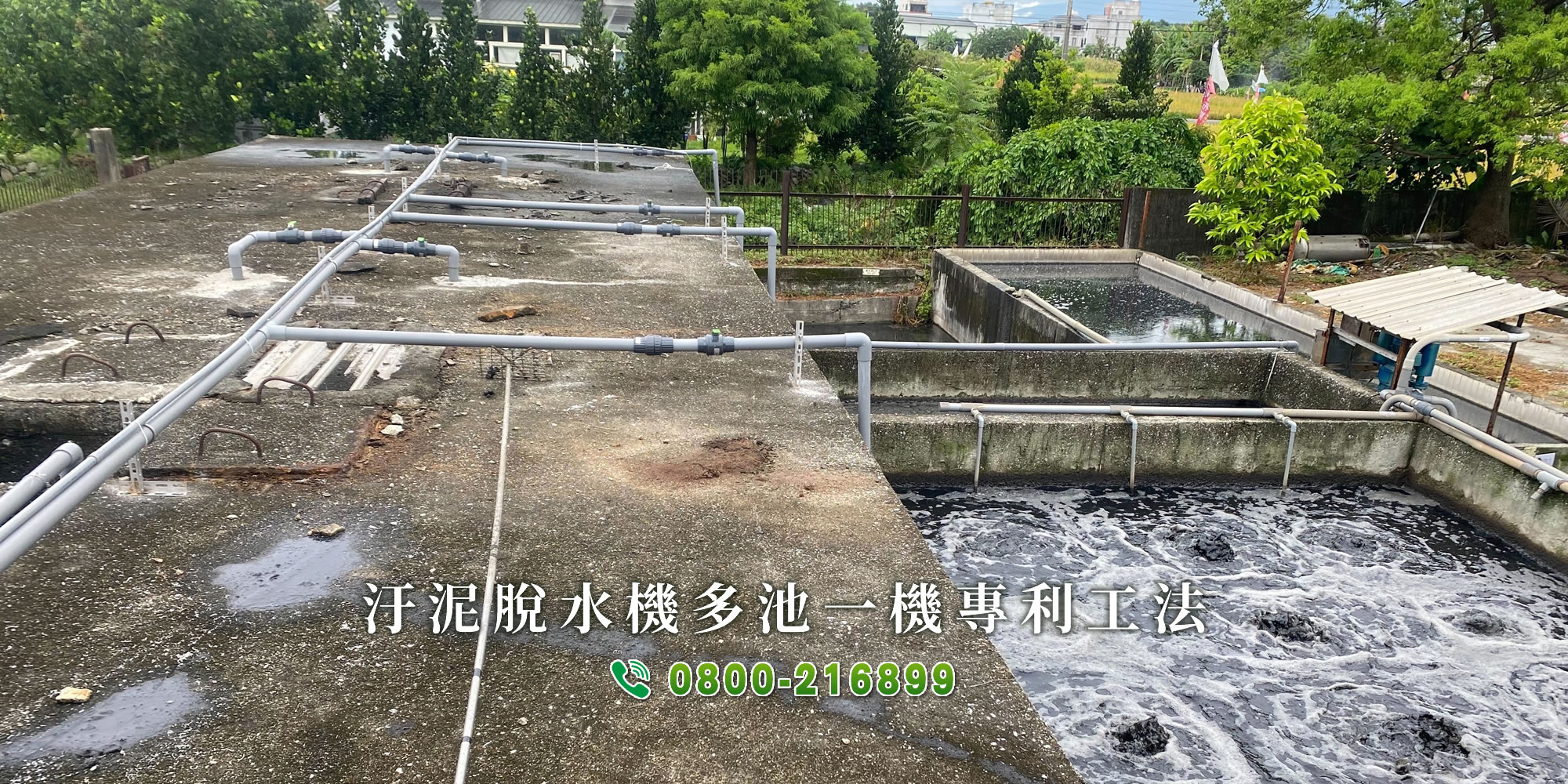
Why must sludge be dehydrated and reduced in volume?
Whether it is the sewage from livestock farms, food processing plants, or general industrial wastewater treatment systems, sludge is continuously generated during operation. With no water removed, the sludge has a high water content and large volume; therefore, the number of vehicles and the cost of external disposal naturally increase. By using a dewatering machine to reduce the water content and compress it into pellets, the number of trips for external disposal and the cost can be significantly reduced, and there is no need to worry about the sludge tank filling up and becoming clogged again, which would affect the normal operation of upstream processes.
The principle of forced-air dehydration and the self-cleansing concept
Otomichi’s sludge dewatering machine is designed as a roller bed system: the original sludge is first mixed with a high molecular aggregate agent to form large-sized floc particles, then transported to a roller bed area composed of multiple filter-plate rotating wheels. Gravity dehydration and the pressure exerted by the rotating wheels separate the water from the solid matter; the solid matter is discharged in the form of mud cakes, and the filtered water is returned to the previous treatment system. The roller bed is designed with a self-cleaning mechanism to reduce the hassle of filter-plate clogging and frequent manual cleaning; however, the actual self-cleaning effect still varies depending on the sludge’s viscosity, oil content, and dosage conditions; it is recommended to conduct a preliminary water test to confirm the results.
Roles of HS500, HS800, and the multi-pool system
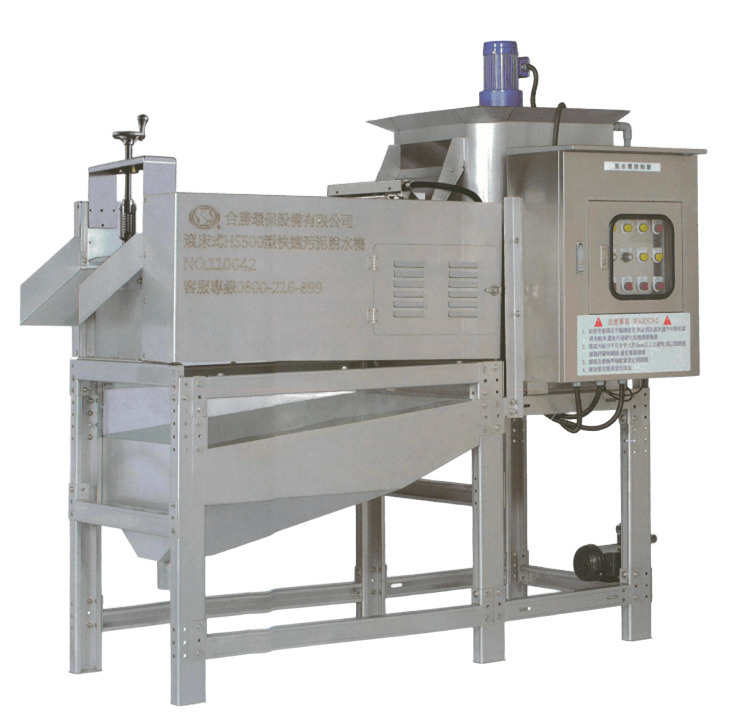
HS500 energy-saving sludge dewatering machine
The HS500 energy-saving sludge dewatering machine is designed for medium-sized and small-sized treatment plants. It features fully automated operation, reducing the labor cost of on-site personnel. For more information, please refer to the HS500 product page.
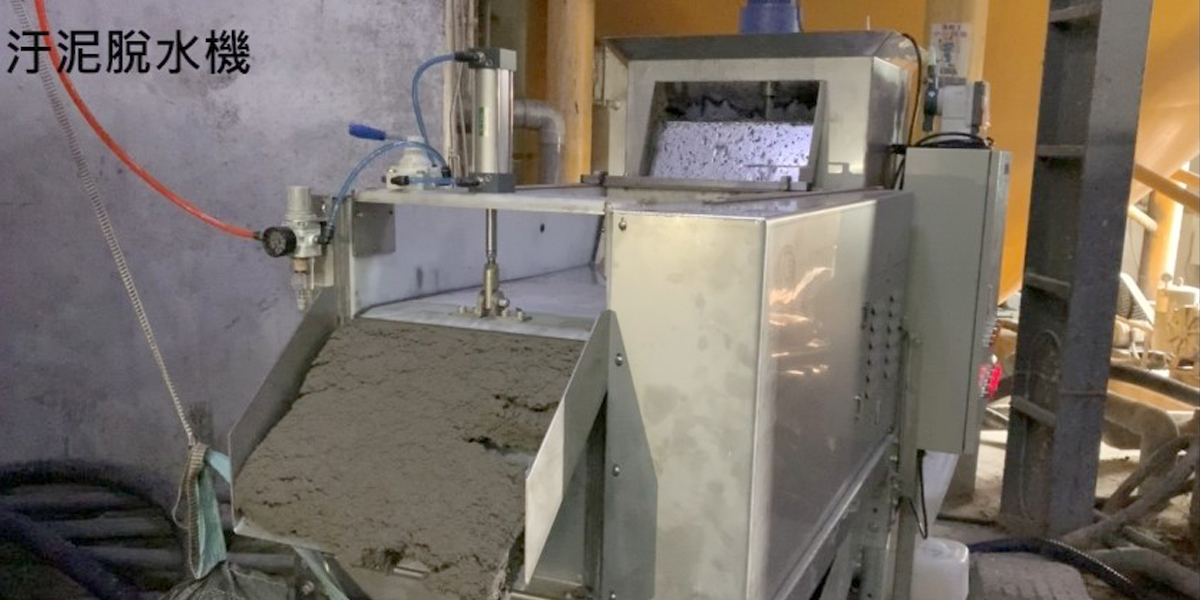
HS800 Large-capacity Sludge Dewatering Machine
The HS800 large-capacity sludge dehydration machine is designed for large-scale factories or sites with high daily sludge generation rates. It maintains full automation operation, and its processing capacity is increased; see the HS800 product page for details.
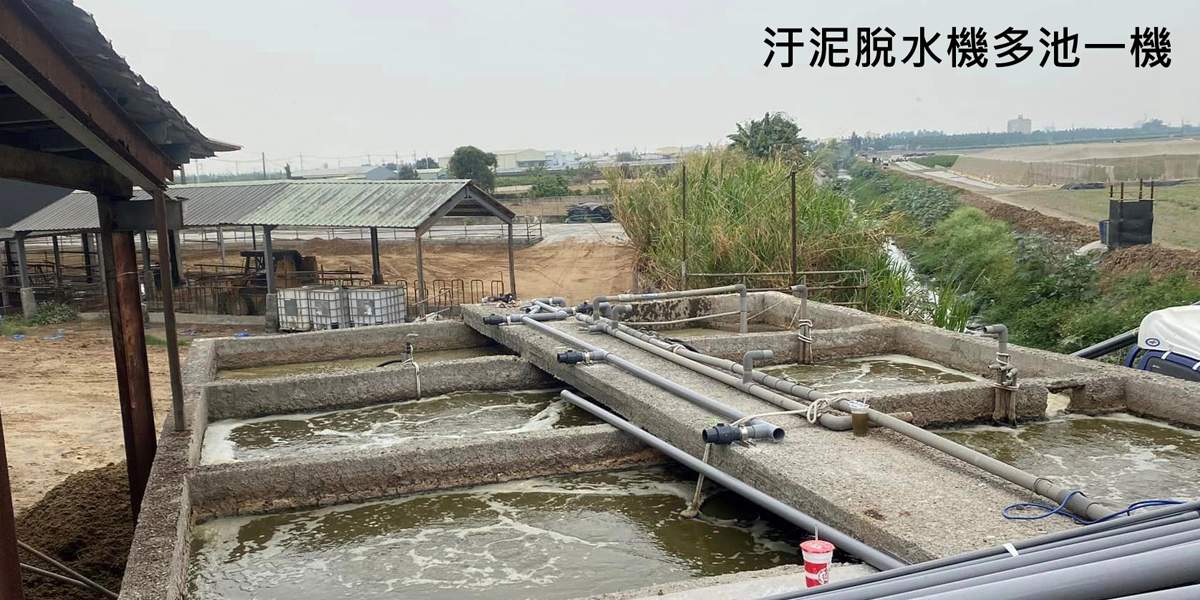
One machine for multiple sludge dehydration systems
The multi-tank sludge dehydration system is a proprietary piping system from Daibon. It replaces the previous practice of having to install a submersible pump for each sludge tank and having to manually move them by pairing a single onshore motor with a piping switch. See the product page for the multi-tank system.
These three devices can be used in accordance with the needs of the site: for example, first using a multi-pool system to concentrate the sludge from multiple pools and then transferring it to the HS500 or HS800 for dehydration.
What to consider when choosing a model: raw sludge, solid content, processing time, and the drug and facility
Before deciding on a desiccant dehumidifier model, it is recommended that you first obtain the following information:
- The source and concentration of the original sludge (such as activated sludge, chemical coagulated sludge, livestock manure sludge)
- The amount of sludge to be handled daily or per cycle, as well as the expected hourly operational processing capacity
- Are there any special conditions, such as high oil content, low sludge concentration, or high viscosity?
- The available space on site, the power supply conditions, and the method of temporary storage of sludge cakes
- Are there any polymeric coagulants that have been used in combination, or is it necessary to separately test the types and dosages of the drugs?
These conditions directly influence the choice of model and the dosage formulation. Please contact us via LINE to request onsite data or apply for onsite sampling for original water testing.
Why must oily sludge and low-concentration sludge be tested first?
Sludge with high oil content or low concentration is more difficult to predict the dehydration effect than ordinary activated sludge. The dosage of additives and the sedimentation performance also vary greatly between different cases. In these cases, Bigben recommends that before a formal quote is given, the original sludge from the site be sent back to the laboratory for sampling, and the actual dosage of additives and the dehydration test are performed to confirm the solid-liquid separation effect (suspended solid SS capture rate). After that, the equipment specifications and operating parameters are decided, to avoid directly applying the standard values from the documentation to the own case.
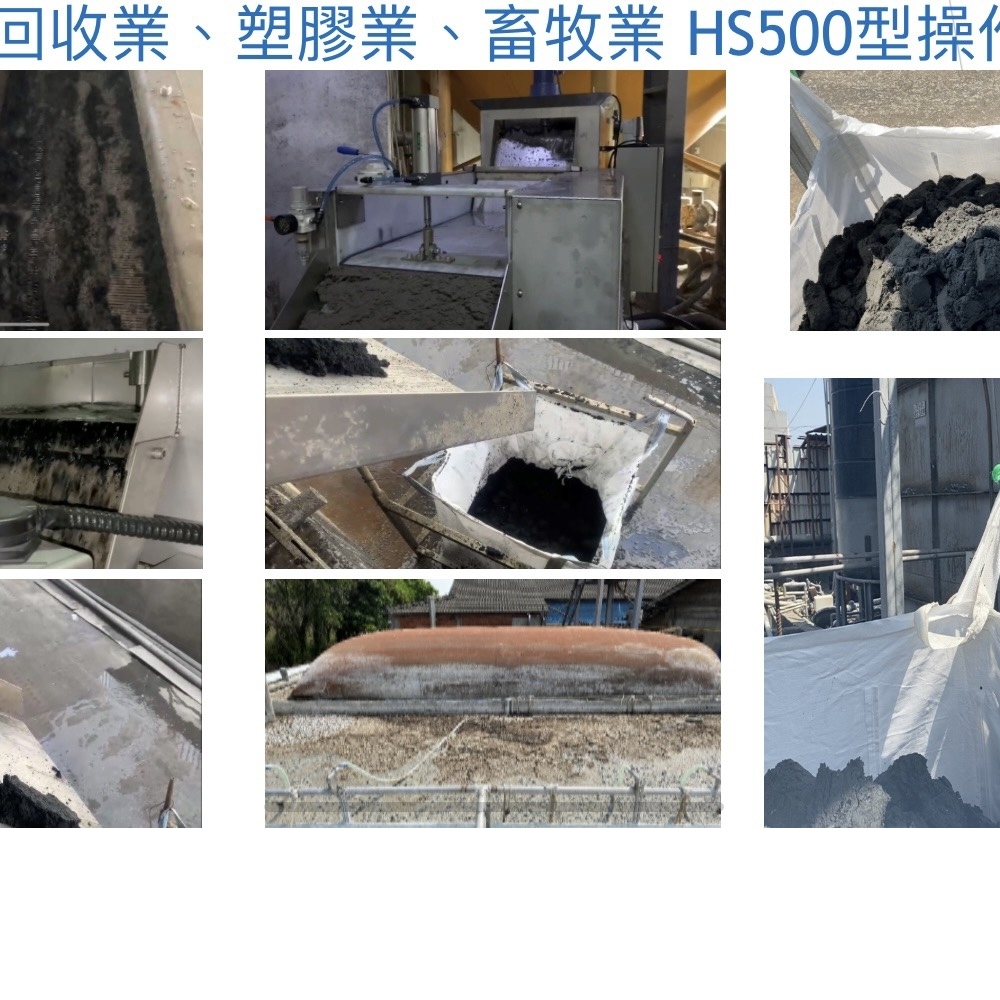
Operation, cleaning, maintenance, and downtime risks
The daily maintenance of a desiccant dehumidifier consists mainly of regularly checking the condition of the filters and rollers, removing residual sludge, ensuring that the dosing system is functioning properly, and monitoring the wear of the motor and transmission components.
Sludge is generated daily; once the equipment fails, the sludge tank quickly fills up. It is recommended to schedule maintenance in advance and first understand the applicable conditions for the replacement service of the refurbished machine to minimize the impact on operations.
Common problems
Which HS500 or HS800 should I choose?
It mainly depends on the daily or hourly sludge volume to be handled and the available space on site. HS800 is suitable for large-scale projects with higher volume requirements. For a detailed comparison, please refer to the HS500 and HS800 product pages.
Can the sludge dewatering machine handle all types of sludge?
Activated sludge is generally more suitable; chemical sludge with high oil content, low concentration, or special composition is recommended to undergo a preliminary water-extraction test to confirm the dehydration effect before deciding on the equipment specifications and dosage method.
What can sludge cakes made after dehydration be used for?
The sludge cakes from some landfills can be used for composting or other recycling processes; the feasibility of this depends on the source of the sludge, its composition, and the regulations of the local authorities. It is recommended to seek further advice from relevant regulatory authorities and testing agencies.
Do multiple sludge tanks need to be purchased separately for dewatering?
Not necessarily. It can be combined with a multi-tank sludge dewatering system to switch the single onshore motor to pump the sludge from multiple tanks, and then uniformly feed it into the dewatering machine for processing.