
Electric natural force dual-function ventilation ball adopts a coaxial design of turbine, motor and fan; when there is insufficient wind power, it switches to electric mode to forcibly exhaust the air.
201SS electric natural power dual-function fan ball
The 201SS is a motorized natural force dual-function fan from Da Ben Ying Co. Ltd.. It features a coaxial design of a turbine, motor, and fan. When there is wind, it operates by natural wind; when there is insufficient wind or when stronger exhaust ventilation is needed, it switches to electric mode to forcibly exhaust the air.
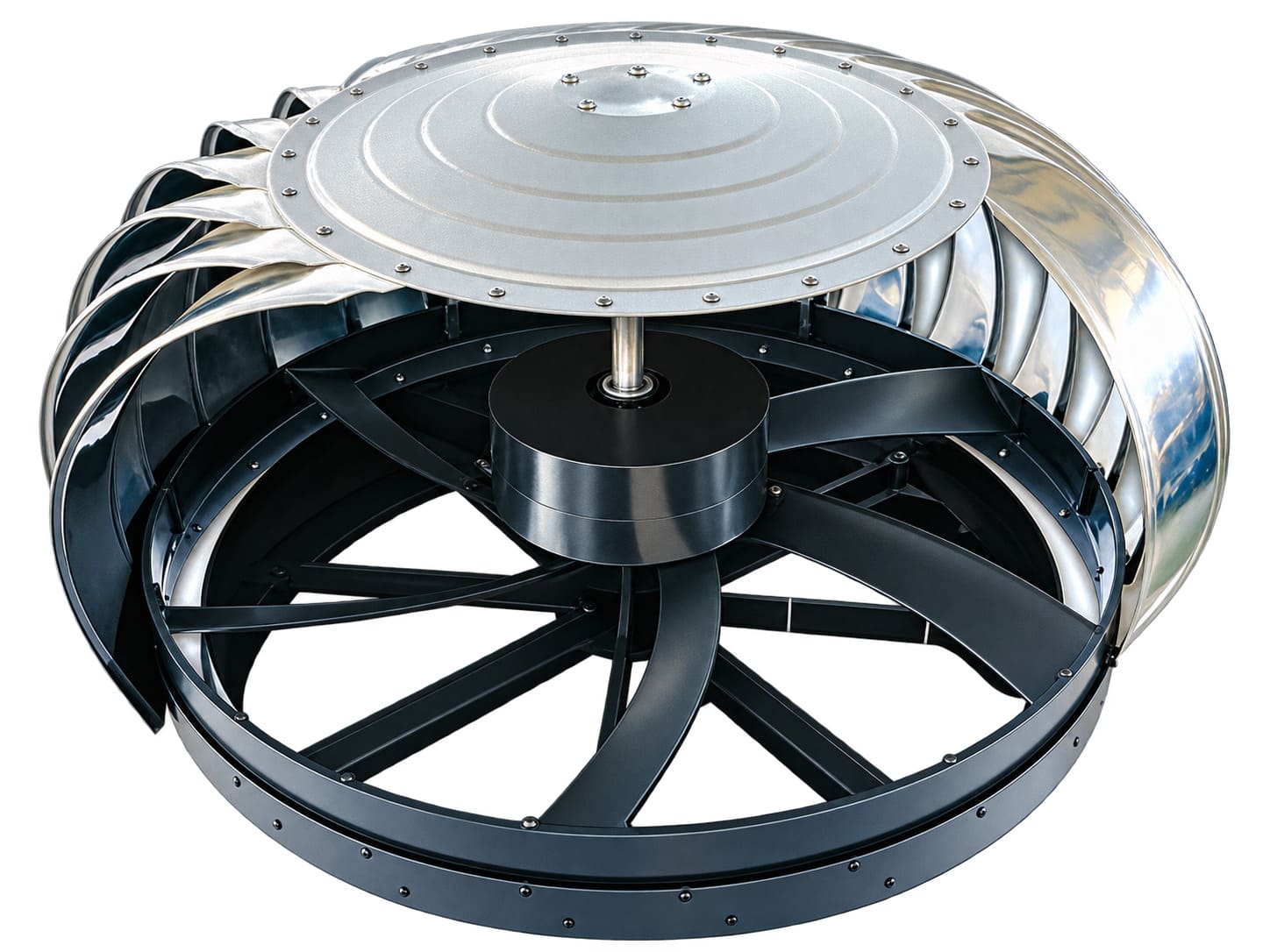
201SS Electric Natural Force Dual-function Ventilation Ball
How does the dual-function ventilation ball work?
The turbines, motors, and fans in the 201SS are of coaxial design. When natural wind conditions are adequate, the turbine blades rotate under the force of the wind, allowing for basic exhaust without consuming electricity. When a more stable and larger exhaust airflow is needed (such as in hot weather without wind, or when heat sources are concentrated and exhaust airflow demand increases), the built-in motor is switched to an electric forced exhaust mode, maintaining flexibility between energy savings and exhaust airflow efficiency.
How to switch between natural wind and electric mode
The timing of switching between the two modes is recommended to be decided based on the actual ventilation needs and power consumption on-site. Generally speaking, if the wind conditions are stable throughout most of the day, it is advisable to rely on natural forces first, and only switch to electric mode during specific periods (hot weather periods, peak production periods) to enhance air circulation, achieving a balance between ventilation efficiency and power consumption costs.
201SS standard and airflow testing
| Item | The profile is temporarily set to numerical values | Description |
|---|---|---|
| Size | About 20 inches | Actual dimensions are based on the official specifications. |
| Power | 1/4 HP | Motor power when operating in electric mode |
| Current | About 0.2 A (±5%): | The actual values depend on the test conditions. |
| Air flow volume | Approximately 2664 m³/h (under wind speed test conditions of 8 mph) | This is a reference value under specific wind speed test conditions; not all sites can achieve the same exhaust volume. |
Applicable roof, pipes, and spaces
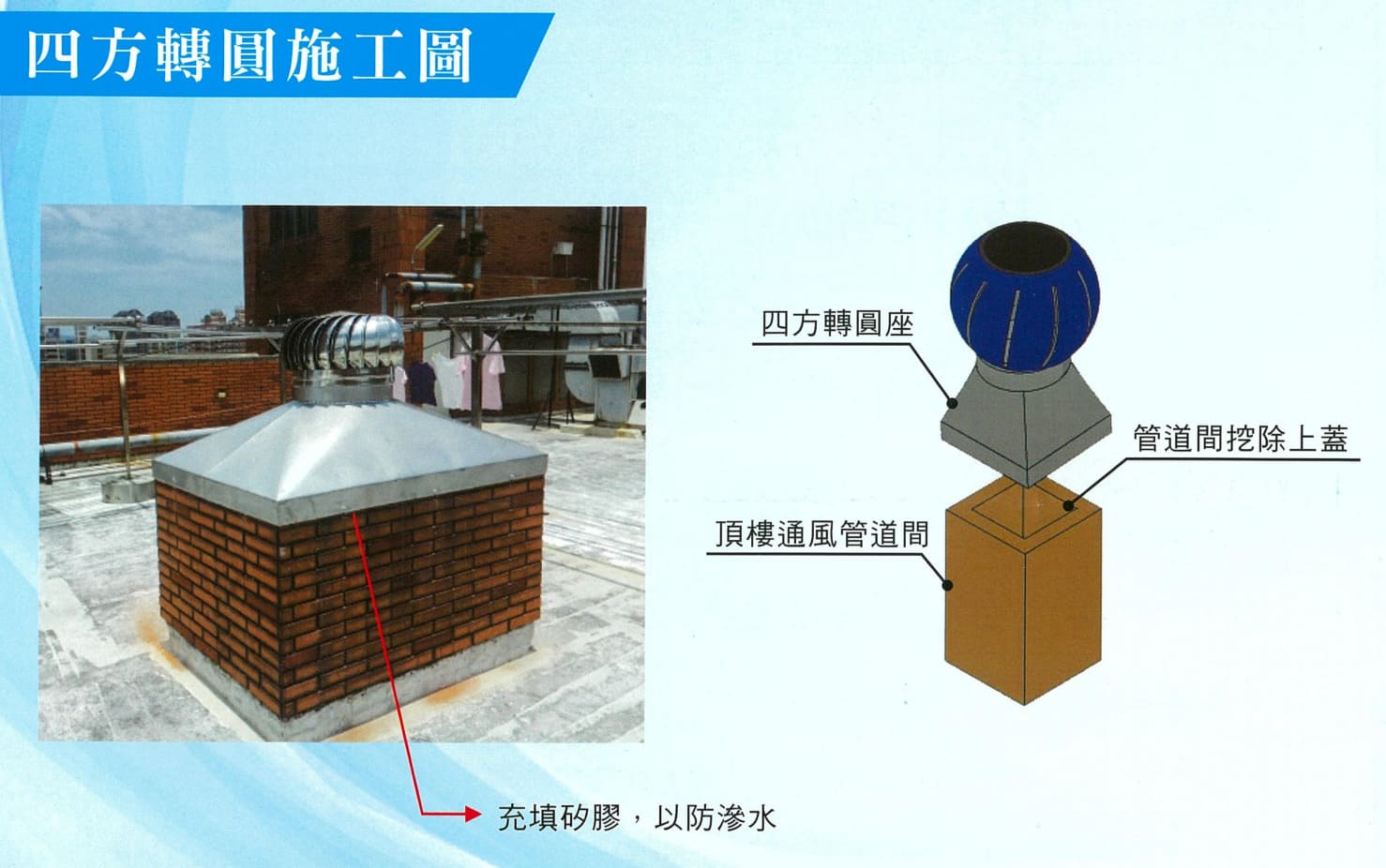
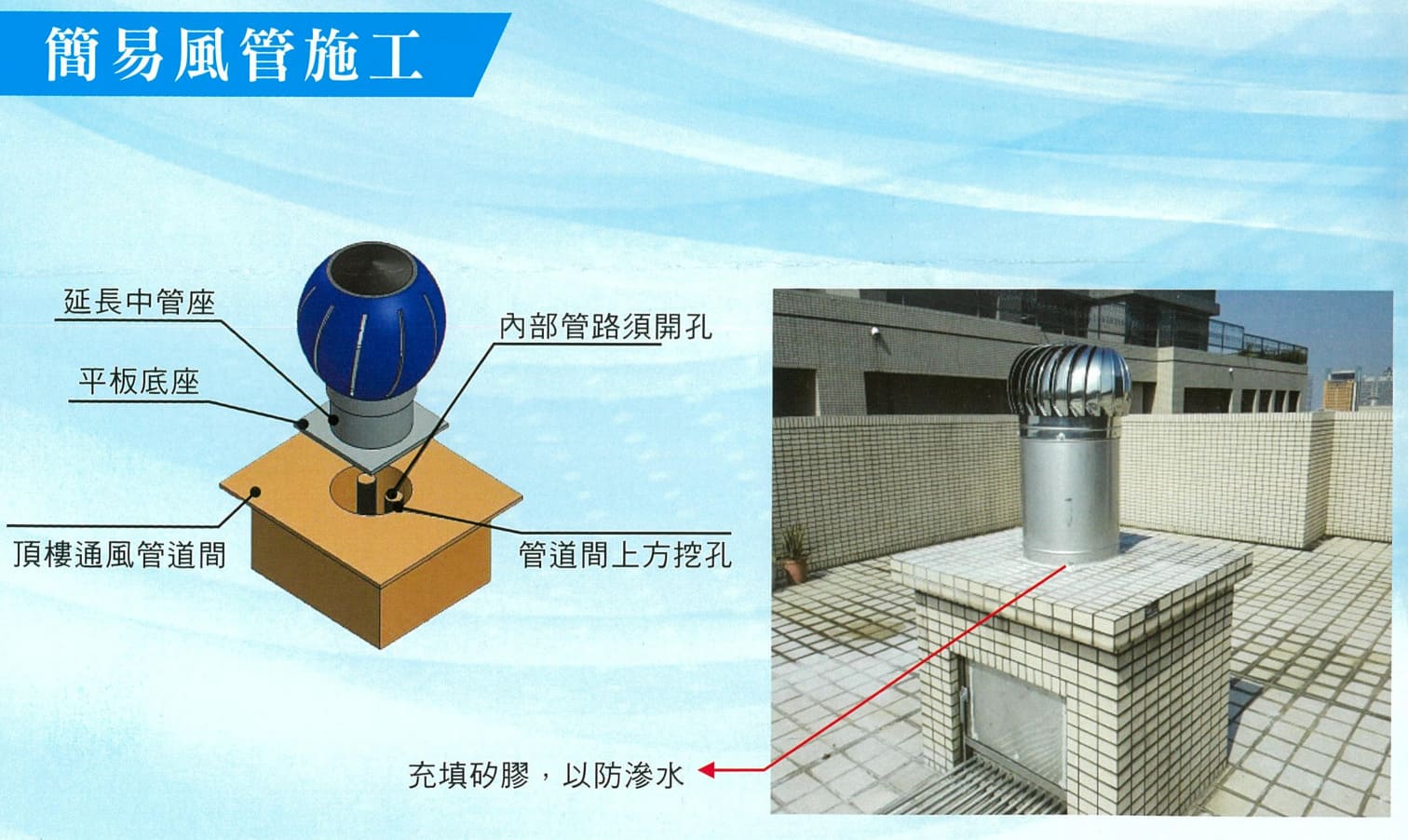
The 201SS is suitable for installation in the roof vents of general residential buildings, community buildings, and medium-sized and small-sized factories, or at the top of pipelines. The actual suitable pipe diameter and installation method are recommended to be confirmed by a technician upon inspection.
Noise reduction, waterproof, and bird-repelling design
The noise level during fan ball operation varies depending on the operating mode (natural force or electric power), wind speed, and installation method. It is recommended to request noise data for reference when quoting a price. For details regarding the product’s waterproof and bird-repelling design (such as blade spacing and base waterproof connectors), please refer to the official specifications and on-site construction instructions. Old models circulating on the market that contain outdated certification markings or exaggerated claims (such as “absolute anti-drip” or “no noise”) should not be directly used; actual performance should be based on current test data and warranty terms.
Installation and maintenance of motors
The installation of the 201SS involves opening the roof vents and configuring the circuit (the electric mode requires power). It is recommended that this be performed by a professional contractor, and that the motor operation status and whether the blades are clogged with debris are regularly checked, as well as that the waterproof connections are intact.
Real-life installation of an electric fan light
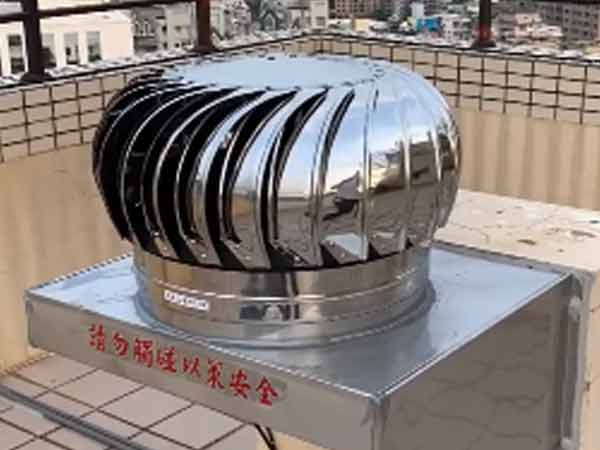
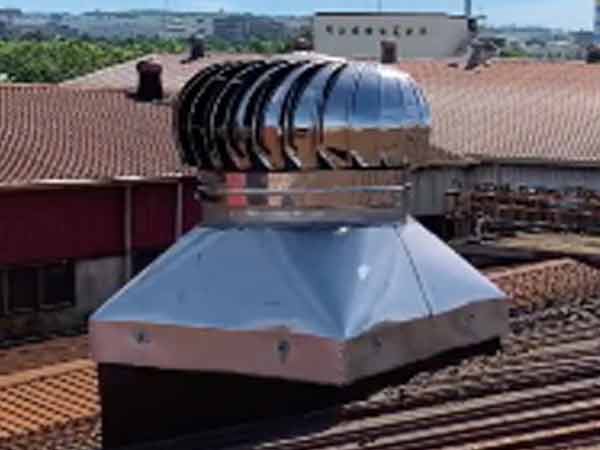
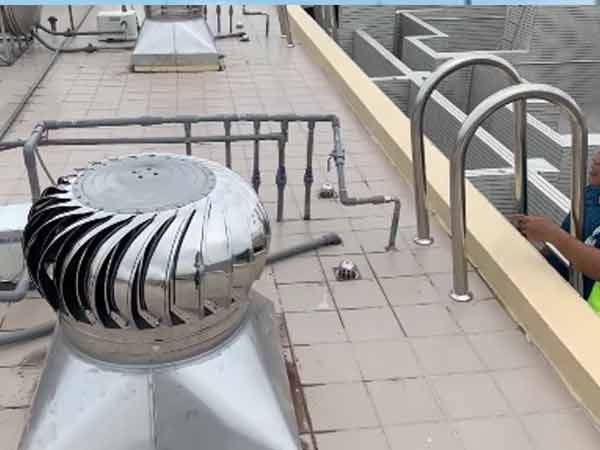
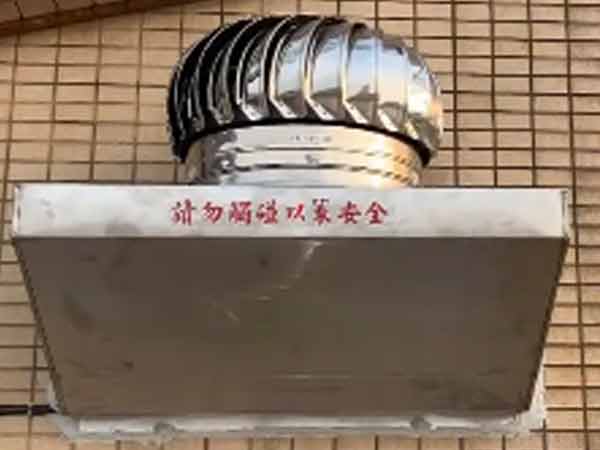
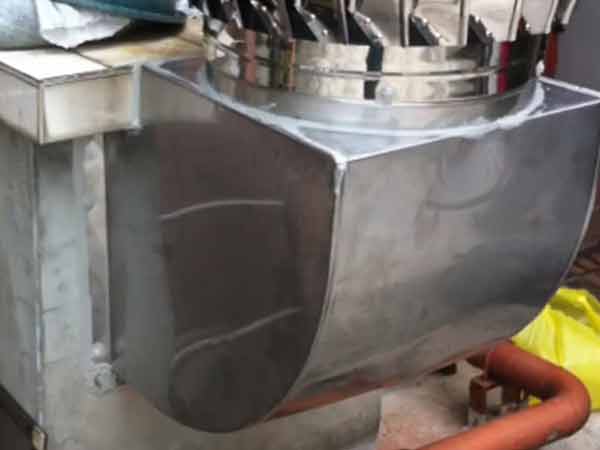
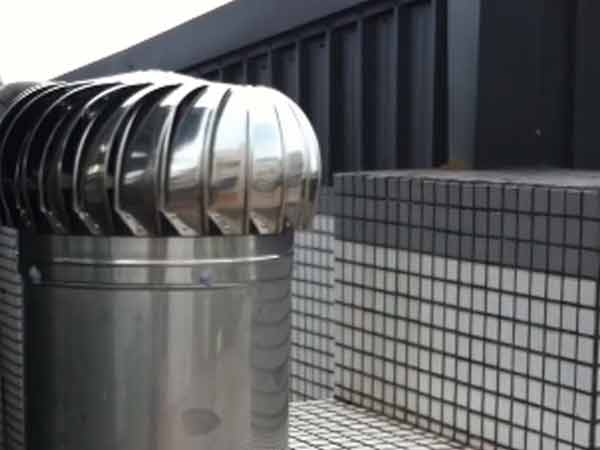
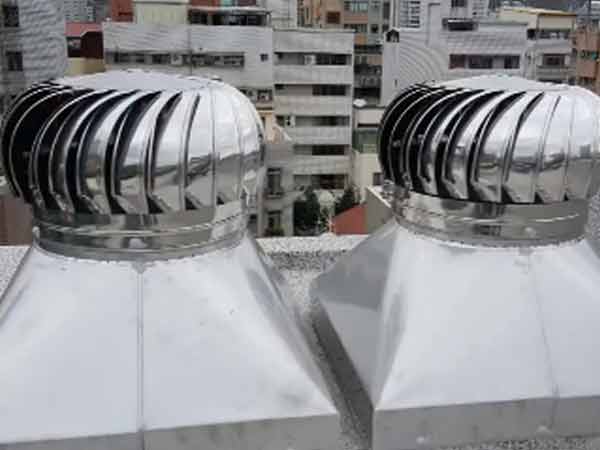
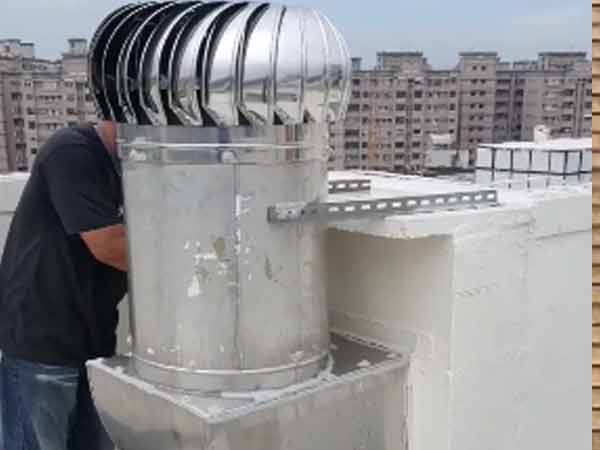
Real-life installation of ventilation ball
Common Questions (FAQ)
Does the 201SS need to be plugged in to operate?
Not necessarily.201SS It has both natural and electric power functions. When wind conditions are favorable, it operates reliably with natural power; only when additional ventilation is needed, the electric mode is activated and the unit is powered on.
Air flow rate 2664 m³/h, can I achieve the same result in my site?
This is a specific test condition (such as 8 mph The reference value under wind speed will vary depending on the wind speed, installation method, and pipeline conditions. We recommend requesting a complete test report and having a technician assess the actual ventilation requirements on-site.
Is the 201SS suitable for installation on residential roofs?
The installation can be evaluated; the actual size, pipe diameter compatibility, and installation method are recommended to be confirmed by a technician upon inspection.
Will the electric mode be noisy?
The noise level varies depending on the operating mode and installation method. It is recommended to request noise data for reference during the quote process.
Real-world operation video demonstration
Movie 01
Movie 02
Film 03
Movie 04
Film 05
Film 06
Film 05
Film 05
Film 05
Next step: Overview of ventilation equipment | Airflow between building pipes | Factory ventilation equipment | Ventilation engineering case |For onsite assessment reservations please LINE Question