
Sewage ponds containing strong acids, strong alkalis, high-temperature or highly corrosive solvents (such as high-grade wastewater from chemical plants, electroplating plants, and semiconductor plants) stainless steel aeration balls (usually made of SUS304 或 SUS316Provides physical strength and corrosion resistance that are ten times greater than that of fine-bubble plates
Stainless steel sewage aeration balls and aeration equipment
The stainless steel version of the aeration ball and aeration disc is suitable for high temperature, strong acid-base, or water environments where mechanical strength is required. Baotengying will provide according to the actual corrosion conditions. SUS304、SUS316 Wait for the different chip numbers to appear.
Stainless steel sewage aeration balls: A high-end replacement solution for "extreme harsh environments": This is an upgraded version of the tornado-shaped aeration ball material. When the customer's sewage tank contains strong acids, strong alkalis, high temperatures, or highly corrosive solvents (such as high-grade wastewater from chemical plants, electroplating plants, and semiconductor plants), the traditional plastic fine bubble disc will quickly dissolve or become brittle, at which point stainless steel aeration balls are used to completely replace it.
Why it can replace: Traditional fine bubble disc (plastic seat + rubber membrane) has a very short lifespan in industrial wastewater. Stainless steel aerator ball (usually made of SUS304 或 SUS316It provides physical strength and corrosion resistance that are ten times greater than that of fine-bubble plates (the manufacturer claims up to 10 times higher).15~20In 2011, this made it possible for the property owners to get rid of the problem once and for all.
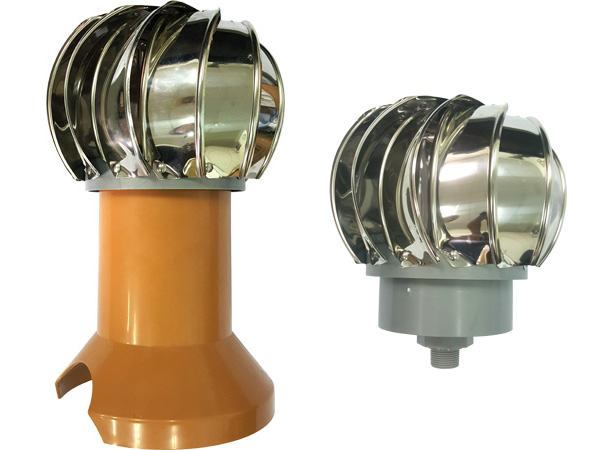
Stainless steel sewage aeration balls and aeration equipment
When should you consider the stainless steel version?
When handling water with the following characteristics, it is recommended to prioritize stainless steel aeration equipment: high water temperature, high concentrations of acidic or alkaline substances (such as electroplating or some chemical wastewater), high concentrations of chloride ions, or high requirements for the mechanical strength and durability of the equipment on-site. Compared to non-metallic materials such as nylon, stainless steel generally has better structural stability under specific corrosive environments; however, its actual applicability still depends on the specific composition of the water, and not all corrosive water types are suitable for the same stainless steel brand.
Selection logic for SUS304 and SUS316
Stainless steel is divided into various grades based on its alloy composition; the most common type used in industrial wastewater treatment equipment is SUS304 與 SUS316:
- SUS304— Generally stainless steel grade, suitable for most regular water quality environments.
- SUS316——Because it adds the element lanthanum, it has better corrosion resistance against chloride ions and some acidic environments. It is often used in corrosive water conditions with higher corrosion rates, such as chlorinated wastewater or certain chemical wastewater.
Which brand to use in practice depends on a comprehensive assessment of the chloride ion concentration, pH range, and temperature conditions in the water. It is recommended to provide water quality analysis data for the engineer to evaluate; do not simply assume that all brands are suitable for all acid and alkaline environments just because they are made of stainless steel.
The effects of chloride ions, acidity and temperature
Although stainless steel has certain corrosion resistance, it is by no means a universal material. High concentrations of chloride ions in the environment can cause pitting on the surface of stainless steel, and strong acids or strong alkalis may also exceed the tolerance range of certain brands. As the temperature rises, the rate of chemical reactions accelerates, and the risk of corrosion increases accordingly. This is exactly what Da Ben Ying Co. Ltd. asks clients to provide water quality data before recommending a material (pH The reason is the value, main chemical components, and operating temperature.)
Product form, interface, and installation
The stainless steel version covers various product forms such as aerated balls and coarse bubble aerators. The interface dimensions and installation method are generally compatible with the corresponding nylon version, allowing for connection to existing aeration piping systems. Actual installation is still recommended to be confirmed by a technician upon inspection of the existing piping specifications.
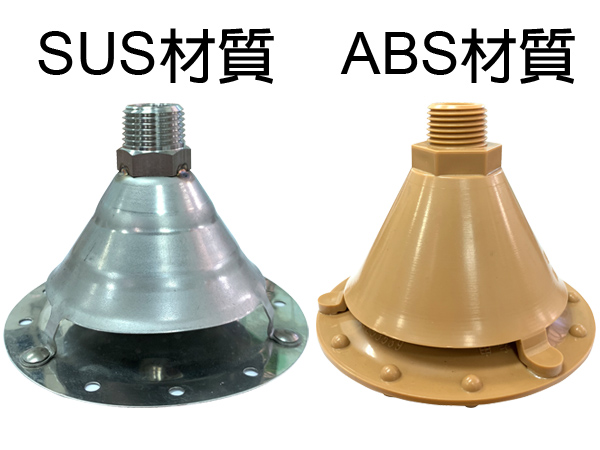
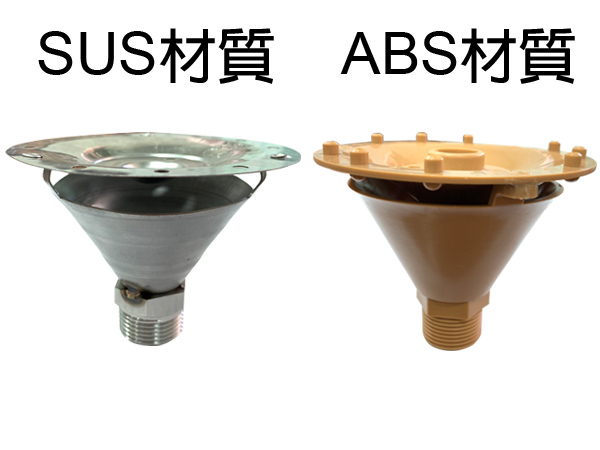
Comparison with the nylon version
| Comparison items | Stainless steel version | Nylon version |
|---|---|---|
| Application temperature range | Larger area coverage, including high-temperature environments | Attention should be paid to chemical compatibility and temperature limits. |
| Mechanical strength | Higher | Compared to lighter weight |
| Suitable for corrosive environments | Depending on the brand, water quality data is required for the determination. | Depending on chemical compatibility, water quality data must be determined. |
| Weight and installation and maintenance | More heavy-duty | Lightweight and easy to install and maintain |
Cleaning, inspection, and usage restrictions
Stainless steel equipment also requires regular cleaning of the surface deposits and inspection for signs of pitting or cracking. In water environments containing chloride ions, it is recommended to increase the frequency of inspections even more. The actual lifespan of the equipment will vary depending on water quality conditions, cleaning frequency, and operating methods; it cannot be generalized.
Common Questions (FAQ)
Can the HS800 stainless steel aeration equipment really withstand all kinds of acidic or alkaline water conditions? Is it twice as powerful as the HS500?
It is not possible to generalize. Different stainless steel brands have different tolerance ranges for acidity, chloride ions, and temperature. It is recommended that the technician provide water quality data to determine the appropriate brand.
Is electroplating wastewater suitable for stainless steel aeration equipment?
Electrolytic wastewater usually contains heavy metals and specific acid-base components. To determine the appropriate material based on its actual chemical composition, see the Electrolytic Wastewater Treatment page. It is recommended to provide water quality analysis data for the engineer to evaluate.
Are there significant price differences between SUS304 and SUS316?
Generally speaking SUS316 Because of its better corrosion resistance and higher raw material cost, the price is usually higher. SUS304For actual pricing, please confirm with the sales window based on the actual water quality requirements of the site.
Is the stainless steel version necessarily more durable than the nylon version?
Not necessarily; it depends on the water quality conditions. In some corrosive environments, nylon material is more suitable; it is recommended to judge based on actual water quality data, rather than simply relying on material grade to determine its superiority or inferiority.
Real-world operation video demonstration
Movie 01
Movie 02
Film 03
Movie 04
Film 05
Film 06
Film 05
Film 05
Film 05