
Slaughter and electric slaughterhouse wastewater treatment equipment
The wastewater from slaughterhouses and electric slaughterhouses contains large amounts of blood, grease, and meat scraps. The organic load is high, and the water quality fluctuates significantly. Da Ben Ying Co. Ltd. provides equipment configuration recommendations for solid-liquid separation, aeration, and sludge dewatering, helping operators meet increasingly stringent discharge water standards.
Why is the load of slaughter wastewater high and fluctuating?
During the slaughtering and evisceration process, blood, internal organs, fat, and meat scraps enter the wastewater system in large quantities, resulting in a high organic load on the slaughter wastewater (BOD/CODThe suspended solids and ammonia nitrogen concentrations are usually significantly higher than those in ordinary domestic sewage. Additionally, slaughter operations are often conducted during specific time periods, and the volume and quality of the water fluctuate significantly from batch to batch, posing a significant challenge to the buffering capacity and stability of the treatment system.
"The Complete Guide to Slaughterhouse Wastewater Treatment: A Practical Guide for Tackling Odors, Reducing Load, and Meeting Strict Standards for Effluent Water"
Blood, grease, and solid matter are first diverted at the source.
Before wastewater enters the main treatment system, it is recommended to first divert it through pre-treatment equipment such as screens and oil separators to remove large solid particles and most oils before they reach the downstream biological treatment unit. Blood water is also recommended to be managed with conventional wastewater flow management to reduce the load fluctuations in the overall treatment system.
The homogenization, aeration, and sludge dehydration processes
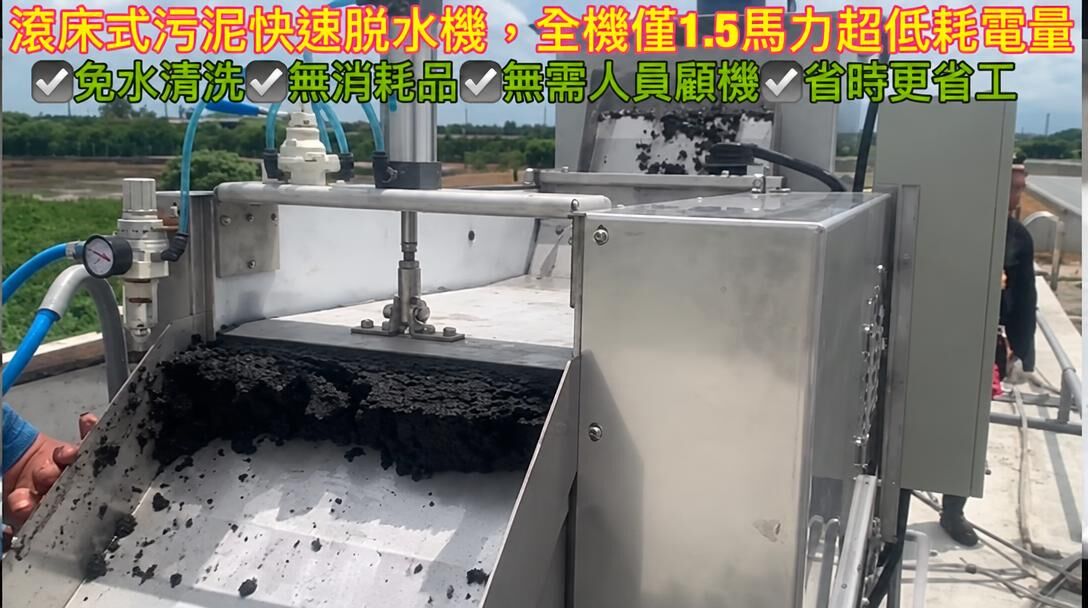
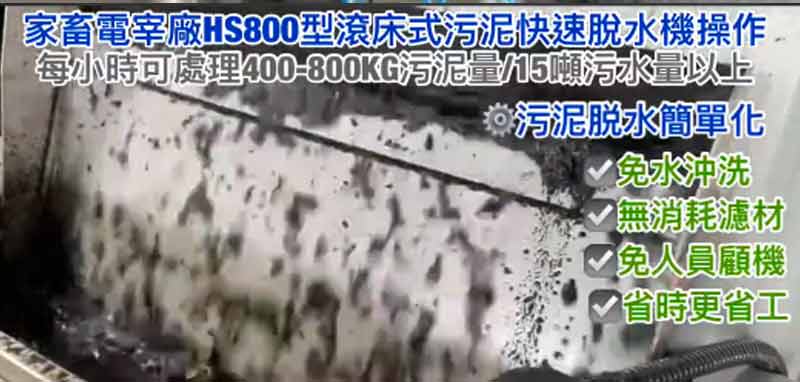
After the pre-treatment is completed, it is recommended to set up a mixing pool to uniformly mix the water quality and volume, and then enter the biological treatment stage. The Da Ben Ying Co. Ltd. aeration equipment can supply the required dissolved oxygen during this stage, helping microorganisms decompose organic pollutants, see details.Sewage aeration equipmentThe sludge produced after biological treatment is then treated through HS500 或 HS800 Dehydration and weight loss.
Equipment materials, cleanliness, and odor management
Slaughterhouse wastewater treatment equipment is constantly exposed to blood, grease, and organic matter. It is recommended to pay attention to the durability and ease of cleaning of the equipment’s connection points. If the original rubber degassing element has become aged, it can be evaluated for replacement.Does not block the aeration equipmentFor odor management, it is recommended to combine good ventilation planning with regular cleaning and maintenance to reduce the impact of odors on the surrounding environment.
As water quality standards tighten, how should we prepare?
The standard for wastewater discharge in bays will be continuously reviewed and amended based on announcements from the Ministry of Environmental Protection. Some control items and standard values for individual industries (including the slaughtering industry) may face stricter requirements in specific years. It is recommended that operators keep a close eye on the situation.Environmental Ministry Standard for WastewaterIn addition to the latest announcements from relevant authorities, it is advisable to make a preliminary assessment of whether your own wastewater treatment system needs to be adjusted to meet the requirements, and use the official announcement version as the final basis for decision-making; do not rely solely on snippets of information circulating on the internet.
On-site inspection, testing and functional testing
The water quality of slaughter wastewater fluctuates greatly. Da Ben Ying Co. Ltd. will recommend arranging a site inspection and original water sampling before quoting a price; after confirming the actual solid-liquid separation effect through laboratory testing, we will then provide equipment specifications for recommendation, to avoid directly applying the treatment volume figures from other cases.
Case and Regulatory Risk Assessment
Slaughterhouses of different sizes, electric slaughterhouses, or meat markets have significantly different actual processing needs; relevant cases (after obtaining customer authorization) will be announced successively on the website.Case of sludge dehydrationPage.
Common problems and on-site consultations
Provide objective engineering explanations for the most frequently raised concerns regarding slaughterhouse wastewater treatment and electric slaughterhouse wastewater treatment.
Will the water quality standards be stricter in the future?
Standard water discharge levels will be continuously reviewed and amended based on announcements made by the Ministry of Environmental Protection. It is recommended that operators closely monitor the latest official announcements and assess the needs of their own treatment systems in advance to adjust accordingly.
After the livestock wastewater treatment equipment is installed, can it guarantee passing the environmental inspection?
No. The equipment is just a component in the overall processing flow; compliance depends on the overall process design, operation methods, and regular inspections. It is recommended to coordinate with professional environmental engineering technicians to plan the overall system and implement daily operational management.
Can the blood directly enter the general wastewater treatment system?
It is recommended to first assess the feasibility of source diversion management to avoid the massive influx of blood into the general treatment system, which could cause a load shock; the actual practice should be tailored to the specific conditions on site.
Is the sludge dehydration effect of this type of wastewater stable?
The water quality of slaughter wastewater fluctuates greatly; the dehydration effect may vary depending on the concentration of original sludge and the oil content; it is recommended to first conduct a test on the original water.