
Dehydration of paper waste water and fiber sludge
Waste water from the paper industry contains large amounts of pulp fibers, fillers, and high concentrations of suspended solids. Coupled with the fact that most paper mills operate in a continuous production mode, the stability requirements for the treatment equipment are particularly high. Da Ben Ying Co. Ltd. provides recommendations for the configuration of equipment for sedimentation, aeration, and sludge dewatering, and also uses HS800 To meet the demand for high processing volume.
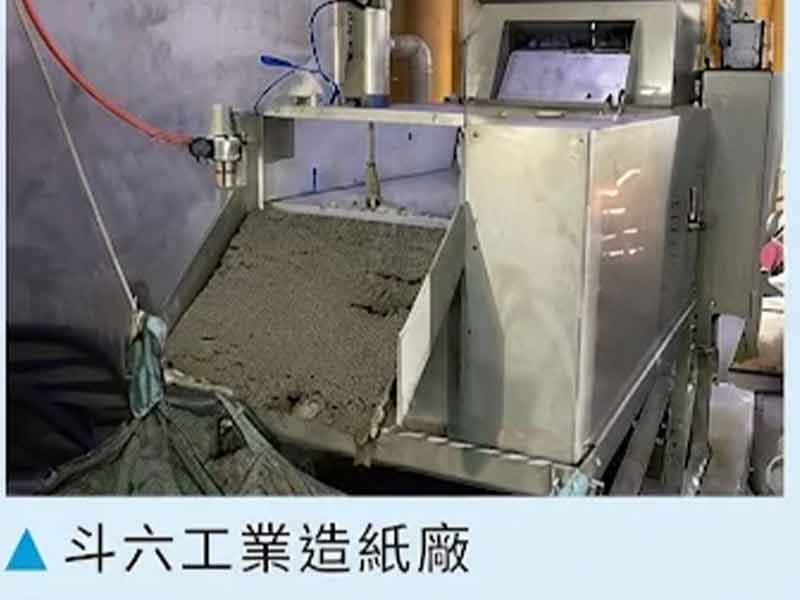
The figure shows a schematic layout of the solid-liquid separation and sludge dewatering equipment for waste water from the Dujiangyan Paper Mill.
Fibres and fillers in paper-making wastewater
The main pollutants in paper making process wastewater include pulp fibers, calcium carbonate filler, and chemical reagent residues used during the process. These substances can cause suspended solids in the water to become more visible (SS) and chemical oxygen demand (CODThe concentration is too high; if not treated properly, it not only affects the water quality of the discharge water but may also overload or even block the downstream treatment equipment.
Recycled fibers and waste sludge must be viewed separately.
Some paper mills will recycle fibers that still have value for reuse through methods such as screening and sedimentation. This not only saves on raw material costs but also reduces the amount of waste sludge. This fiber recycling process is usually placed at the front end of the wastewater treatment system; the subsequent biological treatment and sludge dewatering are separate processes; it is recommended to evaluate them separately based on the actual process plan.
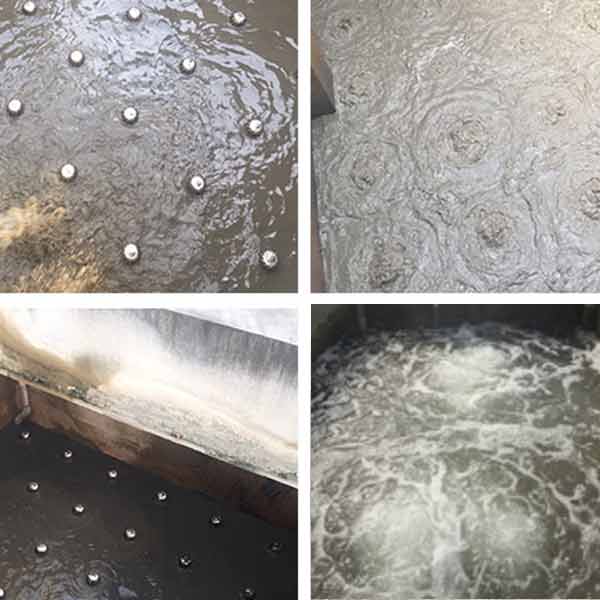
Deposition, aeration, and sludge dehydration processes
Common processes for wastewater treatment in the paper industry include primary sedimentation (removing most suspended solids and recyclable fibers), biological treatment (aerobic removal), and disinfection (ultraviolet disinfection). COD(dehydration of sludge) (reducing the amount of sludge produced by sedimentation ponds and biological treatment). The aeration equipment of Da Ben Ying Co. Ltd. can be used in the biological treatment stage to supply dissolved oxygen, see details.Sewage aeration equipmentSludge dewatering equipment processes the sludge generated during the process, see details below. HS800 Large-capacity Sludge Dewatering Machine。
HS800 model with high sludge volume
The sludge produced by waste water from the paper industry is usually high, especially in cases with a high fiber content; it is recommended to prioritize evaluation. HS800 Large-capacity models are tested with raw water to confirm the actual dehydration effect and the dosage formulation, then a decision is made on whether to configure multiple equipment to accommodate the processing volume.
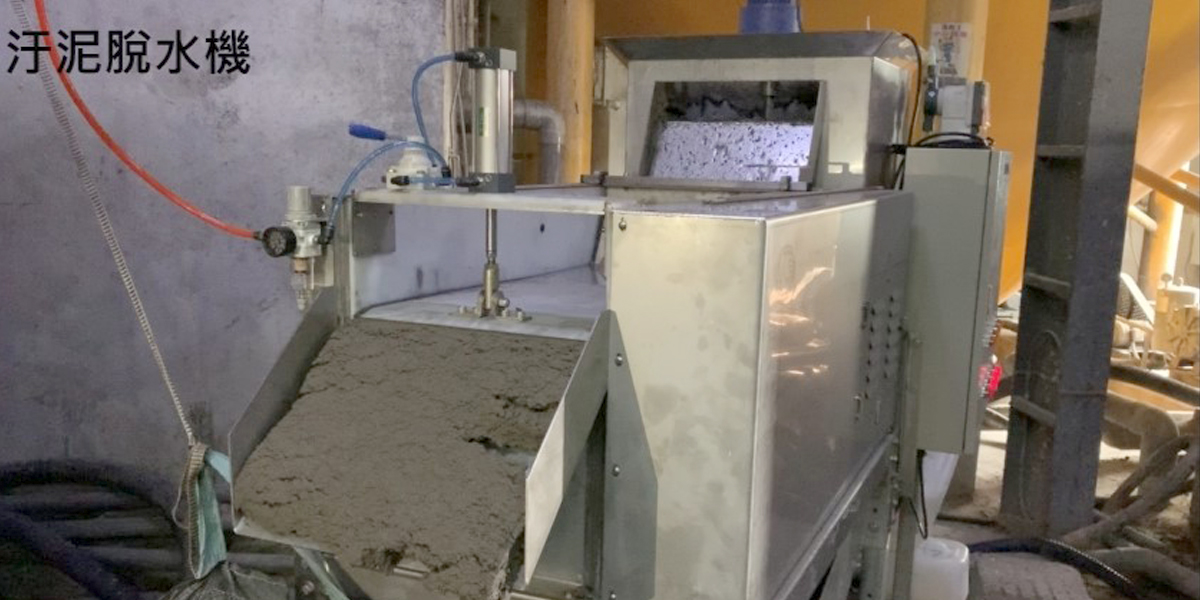
How to measure processing volume, solid content rate and transportation efficiency
Continuous production and emergency maintenance
Most paper mills adopt a continuous production mode. Once the sludge dewatering equipment fails, the sludge volume will rapidly accumulate, putting the production schedule under pressure immediately. It is recommended to understand in advance the applicable conditions for replacement of the overhaul machine and establish regular maintenance schedules to minimize the impact of unplanned downtime on production.
How to measure processing volume, solid content rate and transportation efficiency
When evaluating the effectiveness of paper-making wastewater treatment equipment, it is recommended to use actual treatment volume, the variation in sludge content after dehydration, and the frequency of removal as the measurement indicators, rather than simply comparing the specifications on the documentation; the actual results may vary depending on the characteristics of the original sludge and the operating conditions.
Case study and original clay experiment
The sludge characteristics of different-sized paper mills vary greatly; actual case studies (after obtaining client approval) will be released successively.Case of sludge dehydrationPage.
Common problems and on-site consultations
Provide objective engineering explanations for the most frequently raised concerns regarding paper-making wastewater.
How often does a sludge dewatering machine for paper waste need servicing?
The frequency of maintenance varies depending on the sludge characteristics and operating hours. It is recommended to establish a schedule for inspection and maintenance based on actual operating conditions, and to regularly check the wear of the filters and rollers.
Is the HS500 or HS800 suitable for a paper mill?
The amount of waste generated by the paper industry is usually high, and in most cases it is recommended to prioritize assessment. HS800The actual selection depends on the daily sludge volume and the site's space conditions; it can be confirmed through a preliminary water test.
Are fiber recycling and sludge dehydration the same equipment?
No. Fiber recycling is usually carried out in the early stages of the processing process through methods such as screening and sedimentation; sludge dewatering is aimed at reducing the amount of waste sludge generated later on; these are different processing tasks.
How long will the paper mill’s wastewater treatment equipment take to be restored to operation?
The actual recovery time depends on the cause of the failure and the condition of the spare parts and equipment. We recommend that you learn in advance about the applicable conditions and warranty coverage for the replacement service.