
How can multiple tanks reduce the risk of manual relocation of submersible pumps? The multiple-tank approach involves rotating the treatment of multiple sludge tanks using fixed piping and switching methods, reducing the need for workers to lift the submersible pumps from one tank to another every day. The biggest risk associated with manual relocation comes from the work at the pump outlet: workers approaching the edge of the tank, moving electrical cables, and being exposed to air that may contain hydrogen sulfide or hypoxia. Reducing the number of pump moves reduces these exposure opportunities. This article summarizes the four common risks associated with manual relocation of submersible pumps, the differences between multiple-tank systems and traditional pump relocation methods, and the site conditions to be evaluated before implementation. Why do many factories still use manual relocation of submersible pumps?...
Selection guide
How can multiple pools reduce the risk of manual relocation of submersible pumps?
The multiple-tank method involves a set of sludge dewatering equipment that rotates through multiple sludge tanks using fixed piping and switching methods to process them in turn. This reduces the need for personnel to lift the submersible pump from one tank to another every day. The biggest risks associated with manual pumping come from the work at the pump outlet: personnel approaching the edge of the tank, moving electrical cables, and being exposed to air that may contain hydrogen sulfide or hypoxia. Reducing the number of pump moves reduces these exposure opportunities. This article summarizes the four common risks associated with manual pumping of submersible pumps, the differences between a multi-tank system and traditional pumping methods, and the site conditions to be evaluated before implementation. Why do many factories still use manual pumping of submersible pumps?...
What is the difference between HS500 and HS800? Sludge dewatering machines cannot be judged by the hourly tonnage alone.
What is the difference between HS500 and HS800? Sludge dewatering machines cannot be judged by the hourly tonnage alone. Both HS500 and HS800 are the same Da Ben Ying Co. Ltd.scale roller-type sludge dewatering machines from Daobenying. The main difference lies in the processing capacity: the official website indicates that HS500 produces approximately 200–500 kilograms of sludge cake per hour, while HS800 produces approximately 400–800 kilograms per hour. However, the actual processing volume of both models varies depending on the original sludge concentration, sludge properties, and processing conditions; therefore, when selecting the model, it is necessary to first calculate the dry sludge load of the plant, rather than simply comparing the hourly tonnage. This article explains the differences between HS500 and HS800...
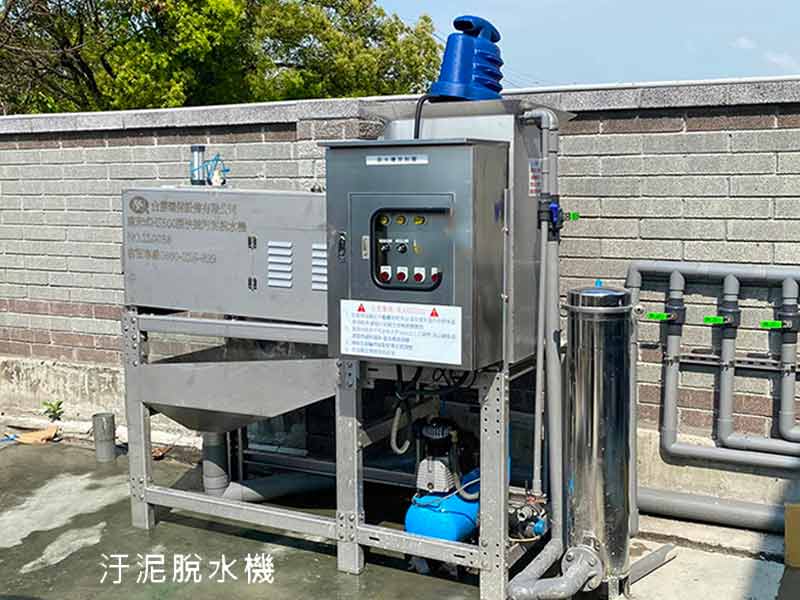
How to choose a sludge dewatering machine? First calculate the original sludge concentration, the dry sludge volume, and the daily operating hours.
The selection of a sludge dewatering machine should first calculate the "number of kilograms of dry sludge to be dewatered per day", then convert it to hourly load using the daily operating hours, and finally compare it with the model specifications [cite: 10]. The hourly tonnage or kg of sludge cake listed in the manual is a reference value under specific original sludge conditions; different original sludge concentration, oil content, and processing conditions may result in a significant difference in the actual treatment volume of the same machine [cite: 10]. This article summarizes three numbers that must be mastered before selecting a sludge dewatering machine, a calculation method that can be directly applied, and the list of materials to be prepared before asking for a quote to help plant managers and environmental specialists avoid situations of "buying too small, working overtime every day, and leaving equipment idle and wasting resources [cite: 10]." Why can't you just compare the tonnage specifications in the manual...