
Electrolytic wastewater and heavy metal sludge dewatering equipment
The wastewater from the electroplating and metal surface treatment industry contains heavy metals and strong acid-base components; the chemical characteristics of the process wastewater are also vastly different. Da Ben Ying Co. Ltd. provides recommendations for dewatering heavy metal sludge and SUS316 The selection of corrosion-resistant aeration materials assists operators in evaluating the appropriate configuration of handling equipment.
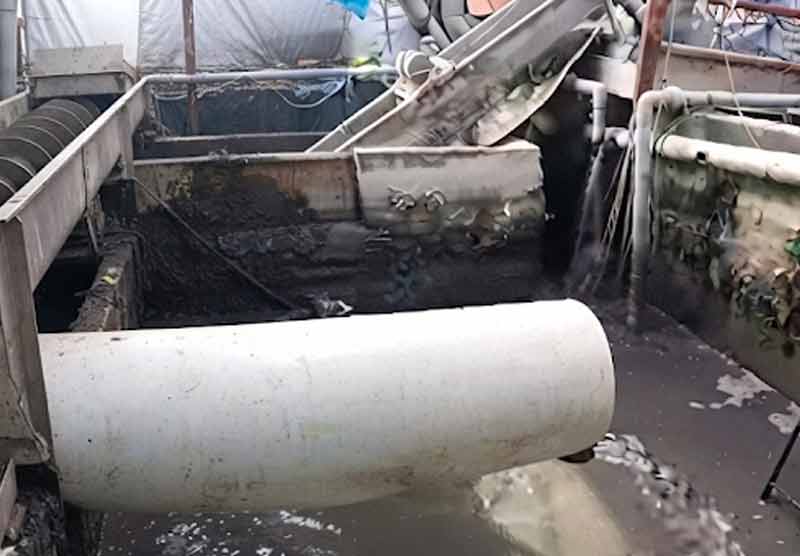
The illustration shows a schematic layout for the application of electroplating wastewater and heavy metal sludge dewatering equipment.
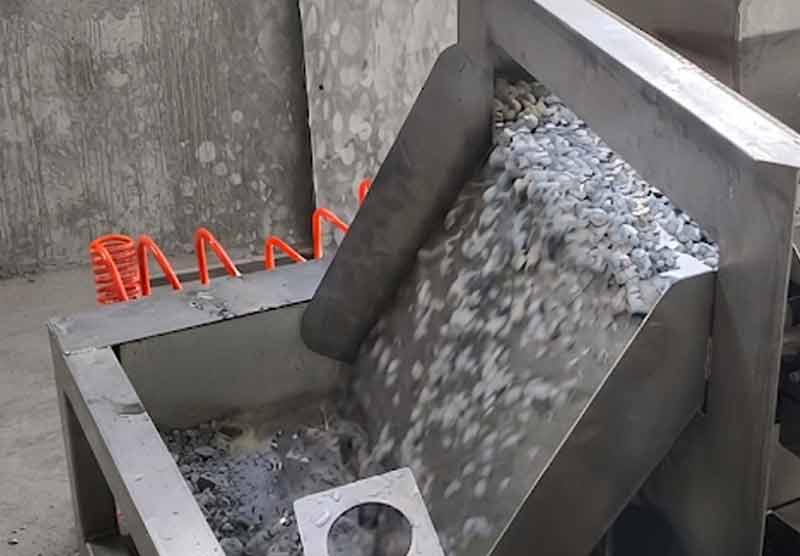
Electroplating wastewater must first be diverted and identified.
The wastewater source of electroplating plants usually includes various process liquid streams.——Acid wash, alkaline wash, plating bath liquid, cleaning water, etc. each contain different types and concentrations of heavy metals and chemical components. These different waste waters should not be arbitrarily mixed and treated together. It is recommended to first identify and sort them, collect them separately based on their chemical properties, and treat them separately to avoid unpredictable chemical reactions or difficulties in handling when different wash liquids are mixed together.
pH adjustment, regeneration/oxidation, sedimentation and sludge processes
The process of treating electroplating wastewater usually includes: pH Adjustment and recovery or oxidation reactions (treating specific heavy metal ions), chemical precipitation (converting heavy metals into insoluble solids), and finally solid-liquid separation and sludge dewatering are all carried out as needed. This series of processes requires professional environmental engineering technicians to plan based on the actual composition of the wastewater; the main equipment at Da Ben Ying Co. Ltd. mainly corresponds to the two units for sludge dewatering and aeration.
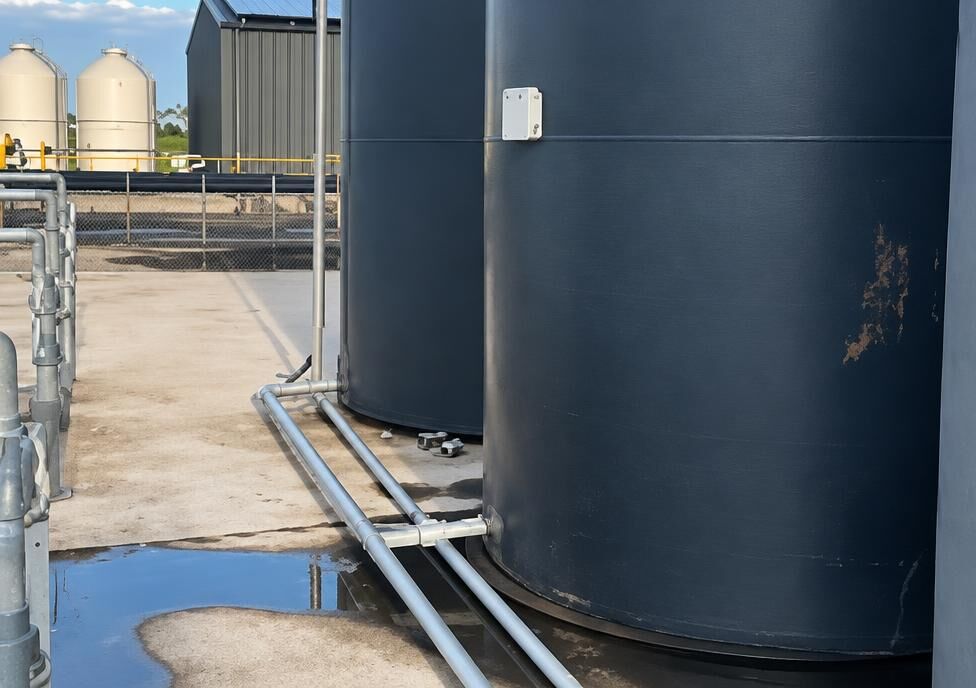
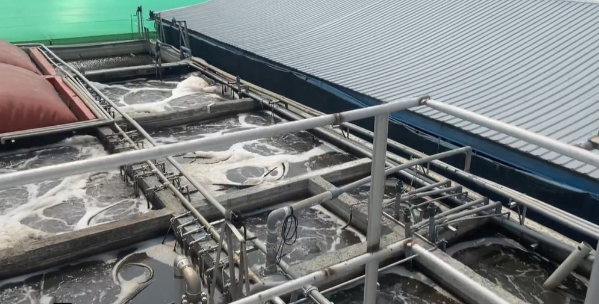
The actual scene of wastewater mixing, homogenizing and aeration within the tank
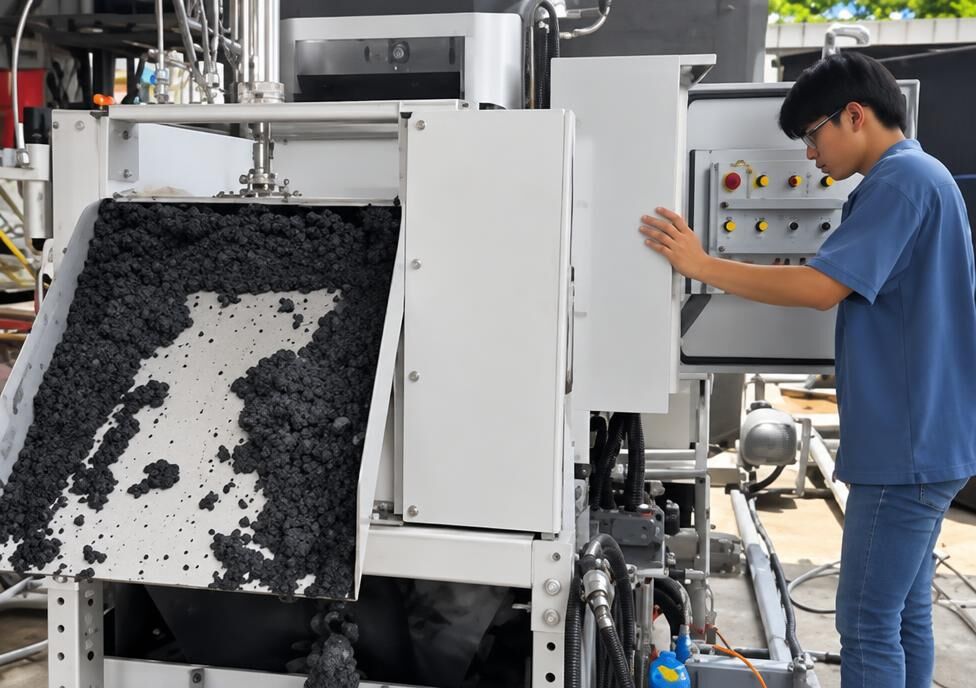
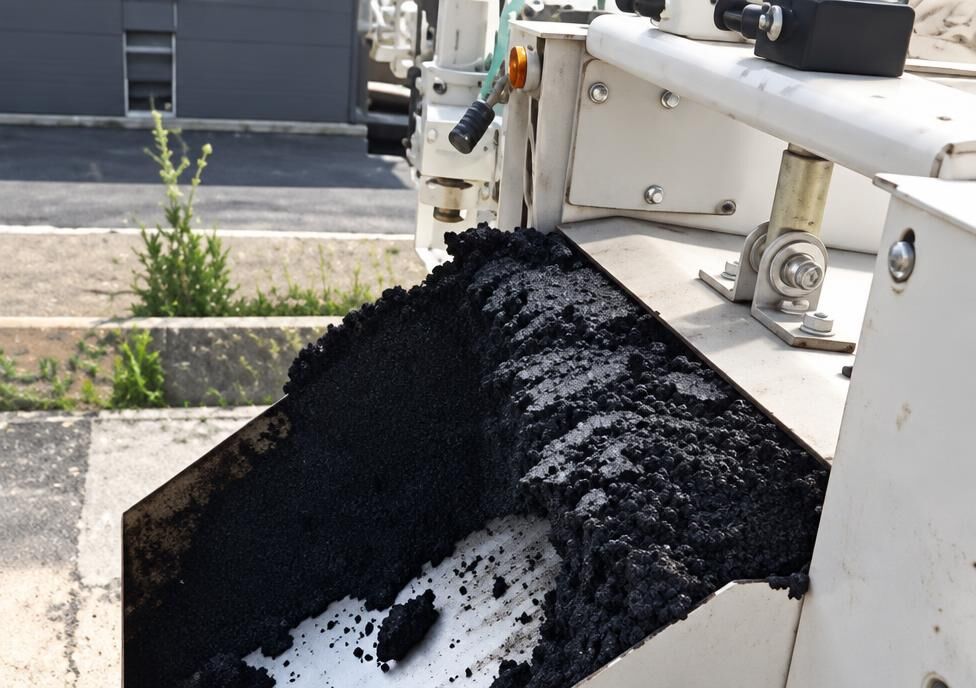
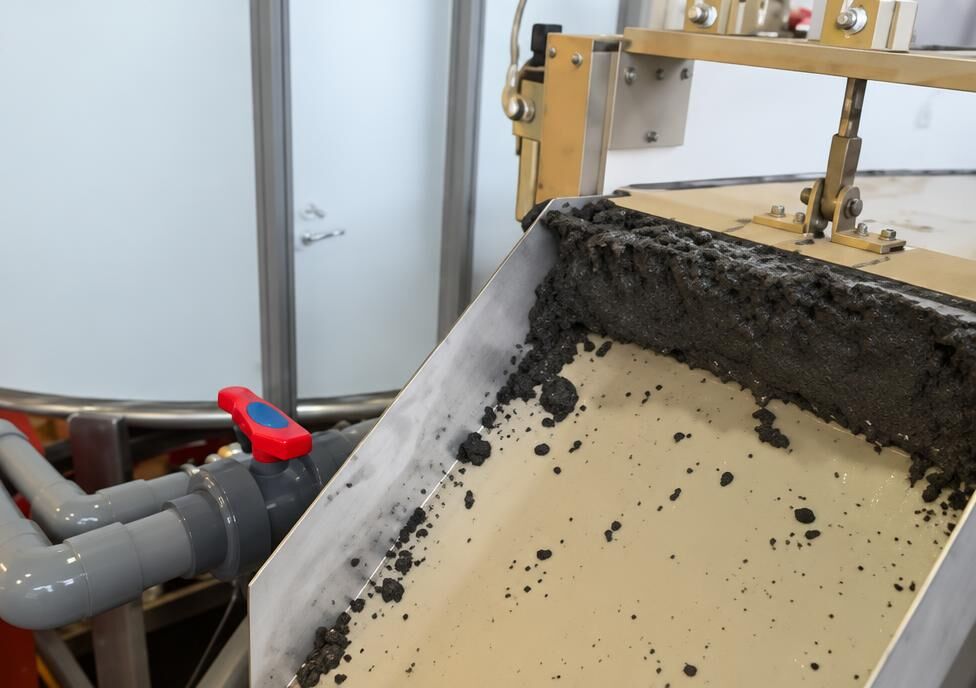
Real-life view of industrial dehydration equipment or sludge treatment machine
The role of heavy metal sludge dewatering
Heavy metal sludge produced after chemical precipitation must be properly dewatered and reduced in volume, and subsequently processed or transported as required. This type of sludge usually falls into the category ofBusiness wasteThe categories and handling procedures for processing and transporting must be carried out in accordance with relevant regulations. The role of dehydration equipment is to help reduce the volume of sludge and reduce the frequency and cost of transportation, see details below. HS500 Sludge Dewatering Machine。
SUS316 is not a universal material.
The chemical composition of electroplating wastewater is complex, even if the corrosion resistance is better. SUS316 Stainless steel does not necessarily mean that it can withstand all electroplating-related chemical solutions. The acidity and alkalinity of different tank solutions, chloride ion concentrations, and special chemical additives may exceed the tolerance limits of specific materials. Da Ben Ying Co. Ltd. will request customers to provide detailed chemical safety data sheets (SDSIn conjunction with the water quality analysis data, the technician determines the appropriate material for the aeration equipment; for details, seeStainless steel exhaust equipmentPage.
Maintaining dissolved oxygen levels within appropriate ranges and 'helping microorganisms decompose organic pollutants'
A reminder to tighten standards for heavy metals such as copper
Standard water discharge standards in Taiwan will be continuously reviewed and amended based on announcements from the Ministry of Environmental Protection. Regulations related to electroplating and metal surface treatment industries (such as heavy metals like copper) may face stricter standards in specific years. It is recommended that operators keep a close eye on these matters.Environmental Ministry Standard for WastewaterThe latest announcement is intended to assess in advance the needs for adjustments to the company's processing system, and the official announcement version will serve as the final basis for reference.
Raw water/sludge testing and safety data
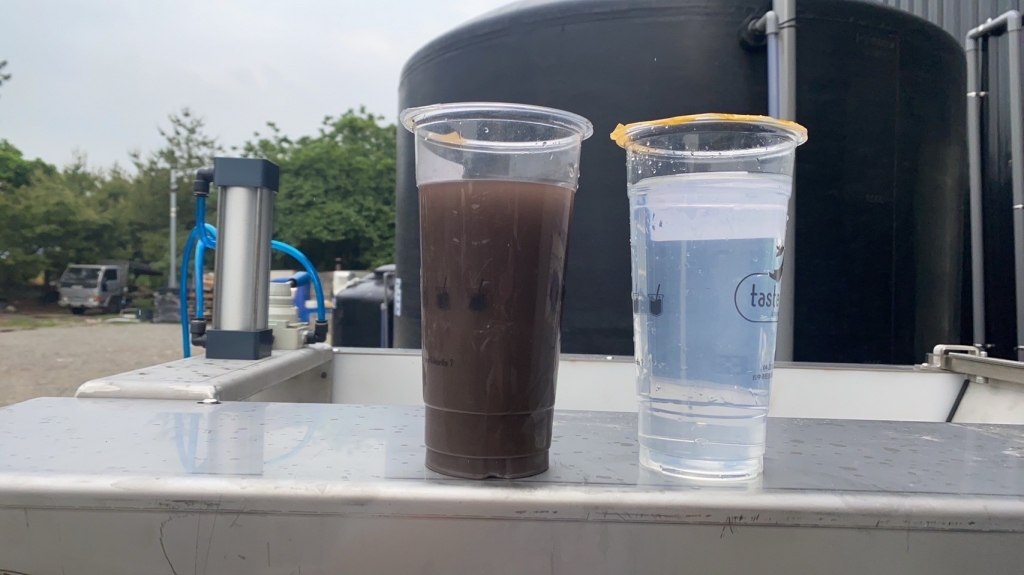
When evaluating electroplating wastewater treatment equipment, it is recommended to provide complete water quality analysis data and chemical data. SDSIf necessary, onsite sampling will be arranged to conduct tests on raw water or raw sludge, and after confirming the actual treatment effect and selecting suitable materials, the equipment specifications will be determined.
Case studies and professional evaluations
The compliance requirements for the electroplating and metal surface treatment industry are higher, and actual cases and compliance audits need to be evaluated individually. Relevant cases (after obtaining customer authorization) will be announced successively on the website.Project AchievementsPage.
Common problems and on-site consultations
Provide objective engineering explanations for the most frequently raised concerns regarding paper-making wastewater.
After the electroplating wastewater treatment equipment is installed, can it guarantee compliance with heavy metal emission standards?
No. The equipment is only one component of the overall processing process; compliance depends on the overall process design, chemical treatment performance, and regular testing. It is recommended to be planned by professional environmental engineering technicians and implemented through daily operational management.
Can stainless steel aeration equipment be used in wastewater from all electroplating tanks?
It cannot be generalized. The chemical composition of different lubricating oils varies greatly, even within the same brand. SUS316 It may not be applicable to all chemical liquids; we suggest providing them. SDS The appropriate material is determined by the technician based on the water quality data.
Can the electroplating sludge be treated by itself?
Electroplating sludge mostly falls under the category of industrial waste; handling and disposal require compliance with relevant regulations. It is recommended to consult a professional environmental engineer or a legitimate disposal agency.
What adjustments will the water discharge standards bring to the electroplating industry in the future?
Standard amendments are based on official announcements from the Ministry of Environmental Protection. It is recommended that operators continuously monitor the latest regulatory developments and plan ahead to prepare for any necessary measures.