
Treatment of sewage with aeration and sludge dehydration equipment
Adjust the color of wastewater,COD With batch water quality fluctuations being significant, it is often accompanied by high temperatures and special acid-base conditions. Da Ben Ying Co. Ltd. provides configuration recommendations for standardized, chemical sludge dewatering and corrosion-resistant aeration equipment, helping dyeing manufacturers select the appropriate materials and equipment based on the characteristics of their processes.
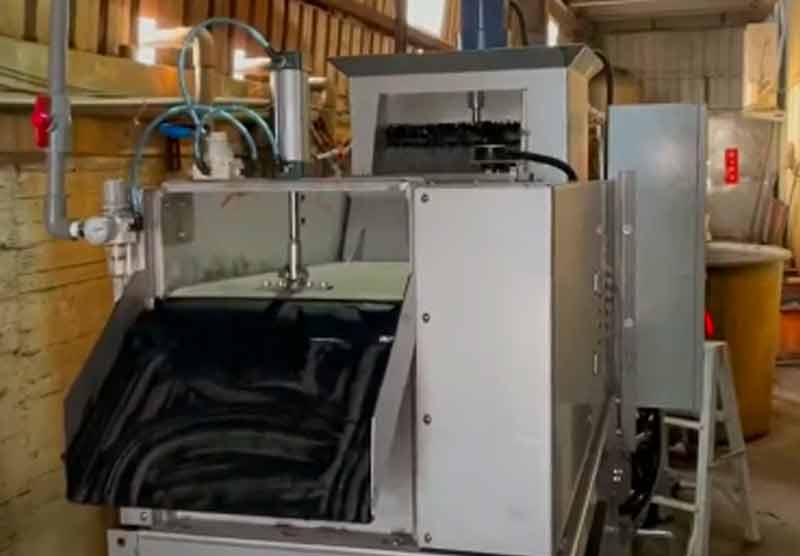
The illustration shows a schematic layout for the application of a treatment plant for dyeing wastewater aeration and sludge dewatering equipment.
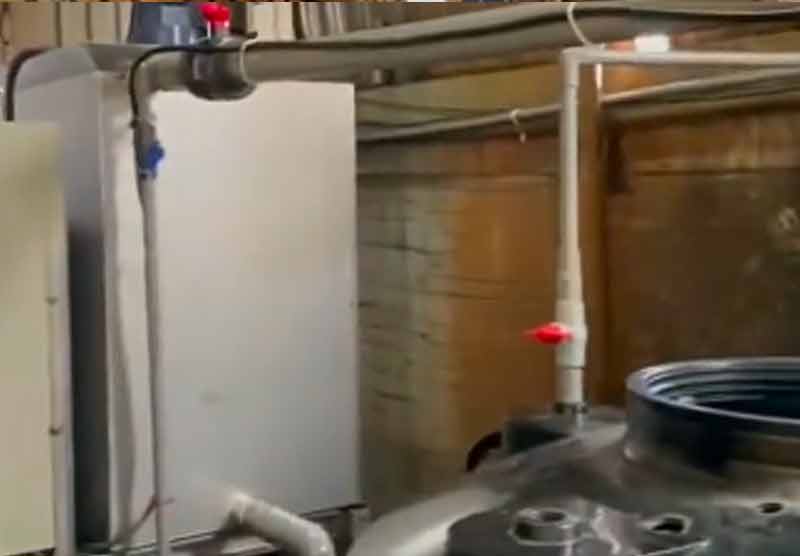
Batch of wastewater treated with various chemicals and water quality fluctuations
The dyeing process involves multiple steps such as dyeing, printing, water washing, and finishing. The types and quantities of dyes, auxiliaries, and the water used vary greatly between batches and different color schemes and fabric materials, resulting in chromatic variations in wastewater.pH Value and chemical oxygen demand (CODThese fluctuations in water quality may vary significantly from one time period to another. This batch-based variation in water quality is the most challenging aspect to consider when designing wastewater treatment systems.
Equalization and pH control—not a single step can be skipped
Batch fluctuations in wastewater treatment are significant; it is recommended to install a mixing basin to mix and homogenize the wastewater from different batches, and adjust as needed. pH It is advisable to avoid the direct impact of strong acid or strong alkali waste water on the downstream biological treatment system, as this may affect the microbial activity and the treatment efficiency.
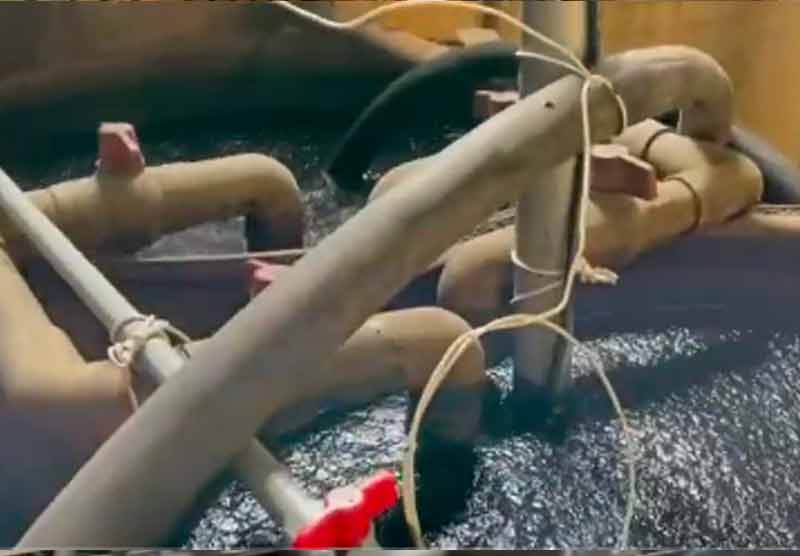
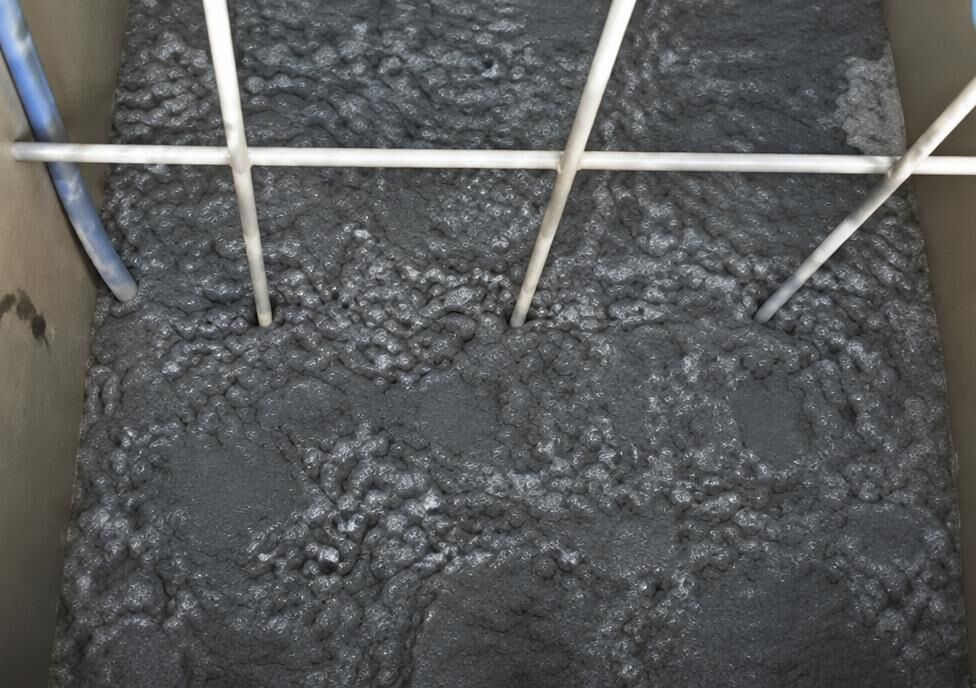
The actual scene of wastewater mixing, homogenizing and aeration within the tank
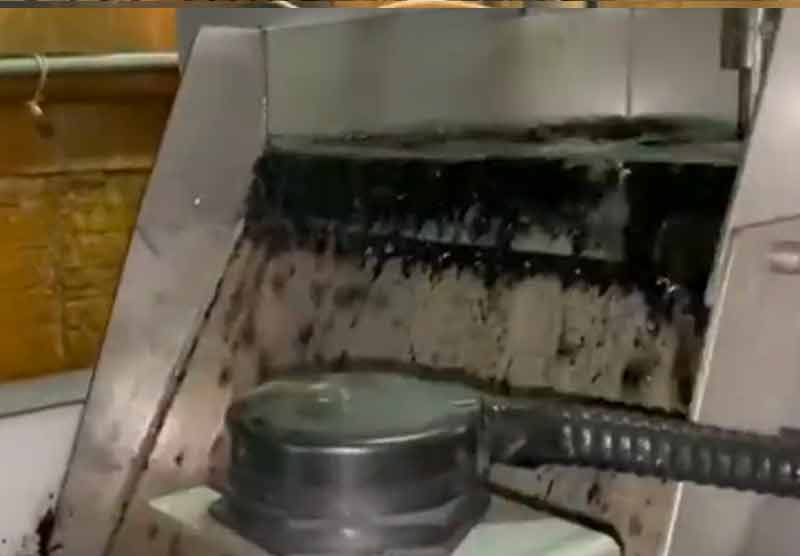
Real-life view of industrial dehydration equipment or sludge treatment machine
How to remove water from sludge after chemical treatment
Treatment of wastewater often requires the addition of coagulants and chemical precipitation to remove color and some pollutants. This process produces chemical sludge. The nature of this sludge differs from conventional activated sludge; the ease of dehydration and the required dosage formulation may also have significant differences. It is recommended to confirm the appropriate dehydration method through a test using raw water; for details, see HS500、HS800 Product page.
Exhaust ventilation equipment and DO management
If the wastewater treatment process includes a biological treatment stage, the aeration equipment must maintain the dissolved oxygen level in the pond (DOMaintain within appropriate range to assist microorganisms in decomposing organic pollutants, see details.Sewage aeration equipmentThe temperature and chemical residues in the treated wastewater pose additional challenges for the materials of the aeration equipment; when selecting the materials, compatibility with the equipment must be evaluated simultaneously.
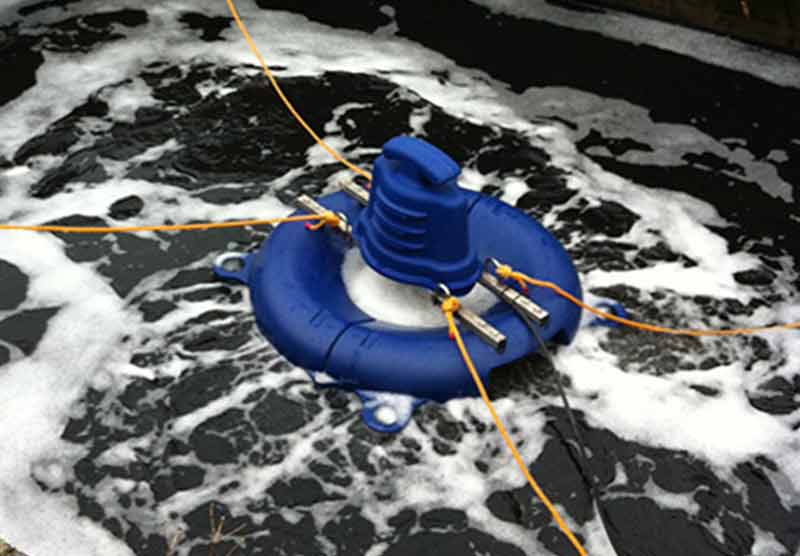
Maintaining dissolved oxygen levels within appropriate ranges and 'helping microorganisms decompose organic pollutants'
High temperature, acidity and material selection
Sewage treatment often involves high temperatures and specific acid-base conditions. The choice of equipment material must be extremely careful. Da Ben Ying Co. Ltd. provides stainless steel (such as SUS316In addition to nylon and other material options, the actual choice should be based on the temperature range of the wastewater.pH For the determination of value and main chemical components, see details.Stainless steel exhaust equipment與Nylon ventilation equipmentPage.
Supplementation experiments, mud cakes, and operational data
The dehydration effect of sludge conditioning is greatly influenced by the chemical treatment method, the type of drug, and the characteristics of the sludge. It is recommended that before a formal quote is issued, samples of the original sludge be taken from the site and sent to the laboratory for drug formulation and dehydration testing. After confirming the actual solid-liquid separation effect, the equipment specifications and operating parameters should then be determined.
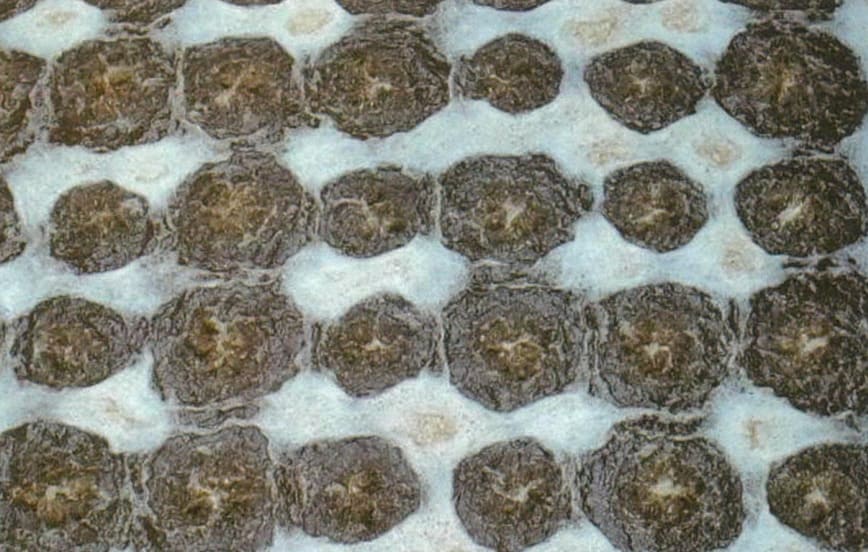
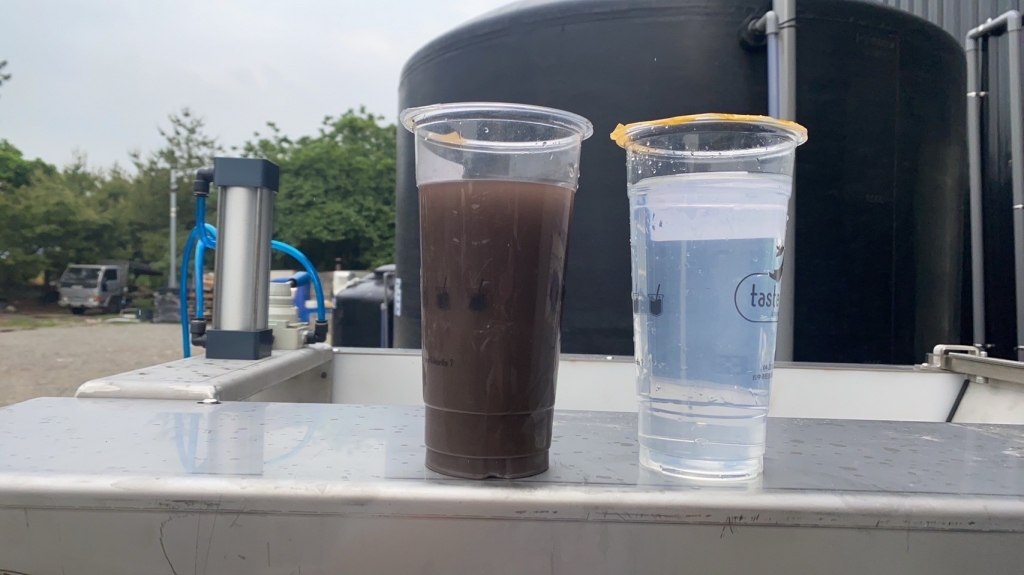
Case studies and water quality assessment
The processes and chemical usage methods of different dyeing factories vary greatly, and the actual processing effect will depend on the case-by-case evaluation; relevant cases (after obtaining customer authorization) will be announced successively on the website.Case of sludge dehydrationPage.
Common problems and on-site consultations
Provide objective engineering explanations for the most frequently raised concerns regarding paper-making wastewater.
Do aeration equipment for treating wastewater have to be made of stainless steel?
Not necessarily. It depends on the actual waste water temperature, acidity/alkalinity, and chemical composition; in some cases, nylon material is also suitable. We recommend providing water quality data for evaluation by a technician.
Will the dehydration effect of treating sludge be worse than that of ordinary sludge?
The ease with which sludge can be dewatered and the required formulation of the treatment agent will vary depending on the chemical treatment method and the characteristics of the sludge. It is recommended to confirm the actual effect through a test using raw water; it is not advisable to directly apply the expected performance of general activated sludge.
Can the color of treated wastewater be removed by aeration equipment?
The aeration equipment is primarily responsible for supplying the dissolved oxygen needed for biological treatment. To remove color, other treatment units such as chemical treatment (e.g., coagulation and oxidation) are usually required. It is recommended to consult a professional environmental engineer to plan the overall process.
Which water testing equipment is suitable for dyeing plants to apply for?
It is recommended that sludge dehydration and aeration equipment be evaluated together, and the temperature of the wastewater be provided.pH Values and main chemical composition data for engineers to plan suitable treatment solutions.